 listicle
Unique Non-Generic Home Decor Shops Worth Exploring
Table of Contents
- Why Generic Home Decor Leaves Rooms Feeling Flat
- Station Home Design: Unique Home Decor Built Around Artisan Design
- Best Independent Home Decor Brands to Know in 2026
- How to Style Unique Home Decor Without Overcomplicating It
- Tips for Finding Vintage Home Decor That Actually Fits Your Space
- Quick Comparison: Unique Decor Sources at a Glance
- Which Shop Should You Start With?
- Conclusion
Last Updated: August 15, 2026
Why Generic Home Decor Leaves Rooms Feeling Flat
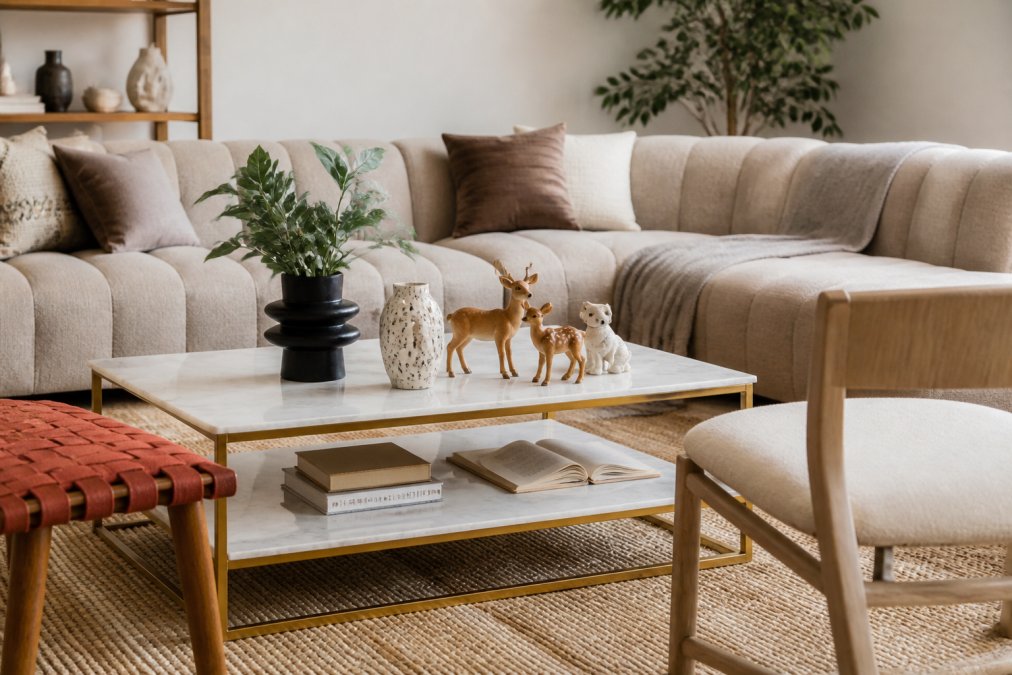
Generic home decor creates showroom floors rather than homes. Mass-produced pieces lack the story, tension, and personality that make a space genuinely yours. While big-box retailers offer low prices and predictability, that same predictability is their limitation: when thousands of households own identical items, your space loses what makes it distinct.
Unique non-generic home decor shops solve this problem by offering pieces with design history, material stories, and maker's intent, things mass production cannot replicate. According to the American Institute of Architects' annual home design survey, personalized, handcrafted, and artisan-made elements consistently rank among top priorities for homeowners undertaking interior refreshes.
This guide covers the best independent shops and practical strategies for building a home that looks considered, not catalog-copied. We'll show you where to find pieces worth owning, how to style them without visual chaos, and how to spot vintage finds that actually work in your space.
Station Home Design: Unique Home Decor Built Around Artisan Design
Station Home Design sits at the intersection of artisan craft and contemporary design, carrying pieces genuinely difficult to find elsewhere. The collection spans 3D-printed sculptural lamps, handcrafted textile wall hangings, and ceramic accents, each selected for comfort, elegance, and everyday functionality. Every piece is chosen rather than filler.
3D-Printed Lamps That Double as Conversation Pieces
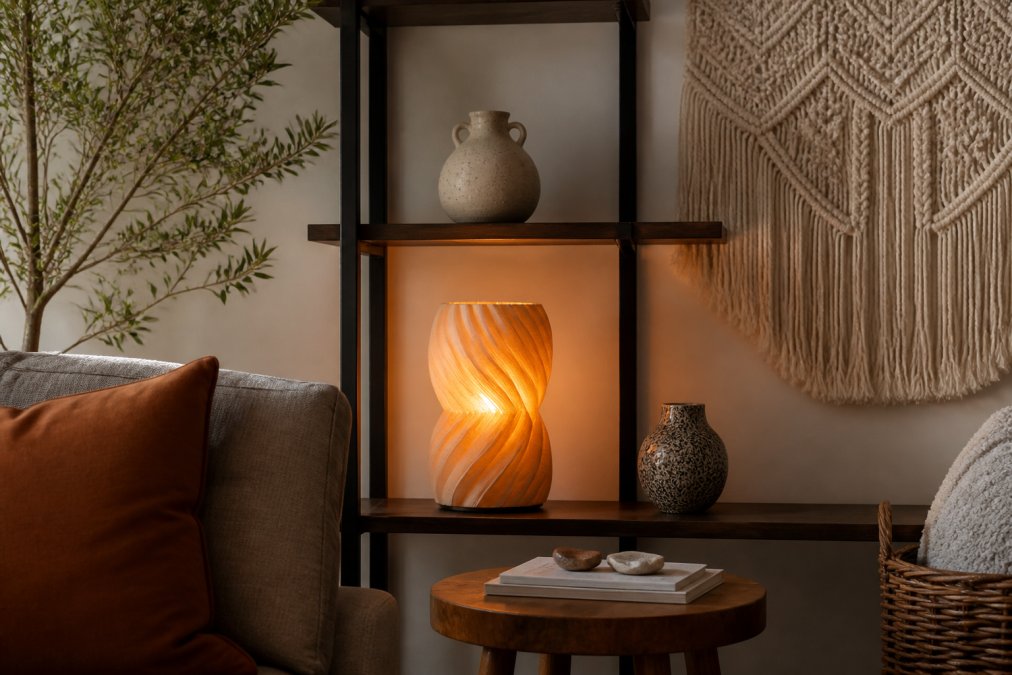
The lamp collection at Station Home Design embodies the shop's design philosophy. These are objects worth looking at even when switched off.
The Cordless Prisma Lamp ($155) features a 3D-printable shape arrayed in circular pattern, creating a form that's structurally strong and visually intricate. A living hinge suspends the shade halfway up the base, producing a gradient of light and shadow that shifts with room angle.

The Wavy Lamp ($145) is made from heat-resistant, corn-based recycled plastic and 3D-printed to order from a Brooklyn studio, drawing its organic form from comb jellyfish movement. The Brut Lamp ($155) trades biomorphic curves for Brutalist geometry with industrial textures. The Scaffold Lamp ($155) contrasts a structured grid cage with playful curves, while the Allium Lamp ($140) reveals its onion-shaped inner form only from certain angles.


Handcrafted Textile and Ceramic Accents
The 18-Inch Macrame Wall Hanging in Custom Colors ($62.50) is made to order across 18 color options, matching existing palettes rather than forcing rooms to accommodate it. The Pink Green Macrame Wall Hanging ($21) offers a softer entry point with bohemian warmth. The Green Macrame Leaf Hanging Tassel Wall Decor ($43.10) adds layered texture through leaf and tassel construction.
The Unglazed Spotted Ceramic Vase ($27.44) brings raw, tactile quality that glazed ceramics rarely achieve. The Groove Lotus Leaf Edge Decorative Bowl ($40.66) adds vintage-inspired accents to coffee tables and bookshelves with refined lotus-edge silhouette.
Best Independent Home Decor Brands to Know in 2026
The best independent home decor brands share qualities mass-market retailers cannot replicate: genuine design intent, limited production runs, and direct maker-to-object relationships.
What Sets Independent Brands Apart from Big-Box Retailers
Independent pieces carry design rationale. Every material choice, proportion, and finish decision was made deliberately by a specific person with a specific vision. Smaller production runs mean your piece is less likely to appear in a neighbor's apartment, and they allow more material experimentation, corn-based recycled plastic and hand-knotted cord rather than injection-molded resin and synthetic fiber.
Many interesting independent brands use technology like 3D printing to produce forms impossible to make by hand. The Wooj Design collaboration pieces at Station Home Design exemplify precision digital fabrication combined with independent design intentionality.
Where to Find Them Online
Direct-to-consumer shops like Station Home Design are the most reliable source because curation is deliberate. Every piece has been selected rather than algorithmically listed. According to the AIGA's design industry resource center, demand for independent, design-led objects has grown steadily as consumers become more aware of mass-production conditions. Shopping direct from curated independent retailers is one of the clearest ways to act on that awareness.
How to Style Unique Home Decor Without Overcomplicating It
Styling unique home decor well comes down to restraint. The instinct when finding pieces you love is acquiring more. The better move is letting each piece breathe.
Anchor Each Room with One Statement Piece
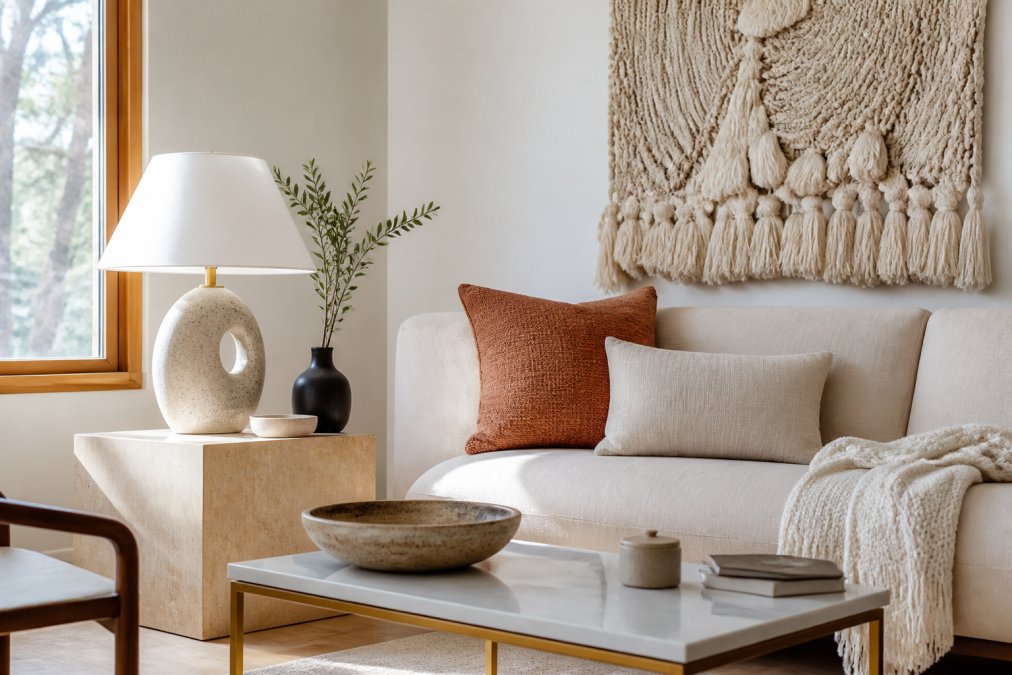
Every room needs a primary object that earns its place by doing something visually significant. A sculptural lamp like the Cordless Prisma or Brut Lamp creates a focal point organizing the rest of the space around it. Once you have that anchor, every other decision becomes easier because you're responding to something specific.
The mistake most people make is creating multiple focal points simultaneously. Two statement lamps compete rather than complement. One strong piece supported by quieter accents produces more coherent results. For renters or temporary spaces, cordless lamps are particularly useful, they move with you and require no installation.
Mix Materials and Eras Intentionally
A room furnished entirely from one aesthetic period or material family feels flat. The most interesting interiors combine materials and references that shouldn't obviously work together but do. A 3D-printed lamp next to an unglazed ceramic vase next to hand-knotted macrame creates productive tension. If proportions are considered and palette is controlled, the combination reads as curated rather than chaotic.
The practical rule: vary material and texture, but hold one element constant. That constant is usually color. If the macrame is neutral, the ceramic is neutral, and the lamp has a warm tone, the room holds together despite stylistic diversity.
Tips for Finding Vintage Home Decor That Actually Fits Your Space
Vintage shopping is one of the most reliable ways to find unique non-generic home decor, but it requires different approach than buying new. The biggest error is falling in love with a piece before knowing where it goes.
Before you shop, measure every surface where you might place something. A decorative bowl that looks perfectly scaled in an estate sale becomes overwhelming on a small side table. Proportion is the variable most vintage shoppers underestimate.
Here's a practical checklist for evaluating vintage pieces:
- Does the scale fit the surface where it will live?
- Is the material consistent with others already in the room?
- Does the color work within your existing palette, or does it require changing something else?
- Is the piece structurally sound, or will it need repair?
- Is the design specific enough to hold your interest over time?
According to the National Trust for Historic Preservation's guide to antique and vintage goods, objects with documented provenance or maker marks tend to hold their visual and monetary value better than unattributed pieces. Mixing vintage with new works best when the vintage piece is the stronger object. New pieces can be quieter and functional. Vintage pieces earn their place by being genuinely interesting.
Quick Comparison: Unique Decor Sources at a Glance
| Source | Price Range | Best For | Key Limitation |
|---|---|---|---|
| Station Home Design | $$ | Curated artisan + designer pieces | Focused collection, not a broad marketplace |
| Independent maker platforms | $ - $$$ | One-of-a-kind handmade items | Quality varies widely, requires more vetting |
| Vintage and estate sales | $ - $$$ | Character pieces with history | Condition unpredictable, sizing can be difficult |
| Design-focused boutiques | $$$ | Investment statement pieces | Higher price point, limited accessibility |
| Open online marketplaces | $ - $$ | Volume browsing and discovery | Requires heavy filtering to find genuinely unique items |
Curated shops reduce the effort of finding quality pieces. Open marketplaces offer more volume but demand more patience. Vintage sources offer the highest potential for genuinely singular objects, paired with the highest risk of disappointment.
Which Shop Should You Start With?
Start with Station Home Design if you want the fastest path to genuinely distinctive pieces without hours of vetting. The collection is navigable and specific. The lamp collection, Prisma, Allium, Wavy, Scaffold, and Brut, gives five completely different design directions, each with clear aesthetic rationale.
For textile accents, the macrame collection covers ranges from the $21 Pink Green Macrame Wall Hanging to the made-to-order 18-inch custom color option at $62.50. For shelves or coffee tables, the Unglazed Spotted Ceramic Vase and Groove Lotus Leaf Edge Decorative Bowl offer two distinct ceramic directions at accessible price points.
Start with one category, find one piece that genuinely excites you, and build outward. Rooms that feel considered are almost always built incrementally, not assembled all at once. For anyone uncertain about whether a piece will work in their specific space, start with smaller ceramic and textile accents before committing to a larger sculptural lamp. Lower stakes, faster feedback, and you'll learn quickly what your space can hold.
Frequently Asked Questions
Where can I find unique home decor that isn't mass-produced?
Independent online shops, artisan marketplaces, and curated e-commerce stores like Station Home Design are your best starting points. These sources carry limited-run or made-to-order pieces from independent designers, so you won't see the same items in every apartment. Searching for shops that work directly with makers, or that 3D-print and assemble products in small studios, is a reliable way to avoid the mass-produced look.
Is it better to buy home decor from small businesses?
For one-of-a-kind results, yes. Small and independent brands typically source from individual designers or produce in limited quantities, which means fewer people own the same piece. You also tend to get more transparency about materials and production. The trade-off is that prices may be higher than mass-market alternatives, but the pieces often hold their visual appeal far longer because they aren't tied to fast-moving retail trends.
How do I find independent home decor brands without spending hours searching?
Look for curated multi-brand shops that have already done the vetting for you. Station Home Design, for example, brings together designers like Wooj Design and Cord + Quartz under one roof, so you can browse several independent makers in a single visit. Searching hashtags tied to specific aesthetics on social platforms, and checking the 'made by' credits on product pages, also surfaces smaller brands worth following.
What are good tips for finding vintage home decor that fits a modern space?
Measure your space before you shop and stick to a consistent material palette, such as wood, ceramic, and natural fiber, so vintage finds blend rather than clash. Focus on silhouette over color, since paint and textiles can be updated but form is permanent. Estate sales, thrift stores, and online resale platforms are reliable sources. Pair vintage finds with one or two contemporary pieces, like a sculptural lamp, to keep the overall look current.
How do I know my decor choices won't look dated in a year?
Avoid pieces designed around a single trending color or a motif that's everywhere right now. Instead, favor items with strong form, quality materials, and a clear design concept behind them. Pieces rooted in a specific design language, like Brutalist geometry or organic material exploration, tend to age well because they reference something enduring rather than a seasonal trend. Investing in fewer, more considered pieces also reduces the urge to replace everything seasonally.
Building a home that feels genuinely personal is harder than it looks, mostly because the default options are so easy and so similar. The Station Home Design collection addresses that directly, offering artisan-designed lamps, handcrafted textiles, and ceramic accents that bring warmth and a distinct point of view to any room. Browse the full collection and add to cart the piece that earns its place in your space.
This article was written using GrandRanker
Frequently Asked Questions
Where can I find unique home decor that isn't mass-produced?
Independent online shops, artisan marketplaces, and curated e-commerce stores like Station Home Design are your best starting points. These sources carry limited-run or made-to-order pieces from independent designers, so you won't see the same items in every apartment. Searching for shops that work directly with makers, or that 3D-print and assemble products in small studios, is a reliable way to avoid the mass-produced look.
Is it better to buy home decor from small businesses?
For one-of-a-kind results, yes. Small and independent brands typically source from individual designers or produce in limited quantities, which means fewer people own the same piece. You also tend to get more transparency about materials and production. The trade-off is that prices may be higher than mass-market alternatives, but the pieces often hold their visual appeal far longer because they aren't tied to fast-moving retail trends.
How do I find independent home decor brands without spending hours searching?
Look for curated multi-brand shops that have already done the vetting for you. Station Home Design, for example, brings together designers like Wooj Design and Cord + Quartz under one roof, so you can browse several independent makers in a single visit. Searching hashtags tied to specific aesthetics on social platforms, and checking the 'made by' credits on product pages, also surfaces smaller brands worth following.
What are good tips for finding vintage home decor that fits a modern space?
Measure your space before you shop and stick to a consistent material palette, such as wood, ceramic, and natural fiber, so vintage finds blend rather than clash. Focus on silhouette over color, since paint and textiles can be updated but form is permanent. Estate sales, thrift stores, and online resale platforms are reliable sources. Pair vintage finds with one or two contemporary pieces, like a sculptural lamp, to keep the overall look current.
How do I know my decor choices won't look dated in a year?
Avoid pieces designed around a single trending color or a motif that's everywhere right now. Instead, favor items with strong form, quality materials, and a clear design concept behind them. Pieces rooted in a specific design language, like Brutalist geometry or organic material exploration, tend to age well because they reference something enduring rather than a seasonal trend. Investing in fewer, more considered pieces also reduces the urge to replace everything seasonally.