 ultimate-guide
Timeless Decor That Lasts Years: A Design Guide
Table of Contents
- Why Timeless Decor Matters More Than You Think
- Classic Interior Design Principles That Never Go Out of Style
- Durable Home Furniture Materials That Age Gracefully
- How to Style a Living Room for Longevity
- Maintenance and Care for Longevity
- Avoiding Trend-Driven Decor Mistakes
- Budget-Friendly Timelessness: Quality Over Quantity
- Conclusion
Last Updated: August 23, 2026
Why Timeless Decor Matters More Than You Think
Most people approach home design like they're shopping for clothes, pick what's trendy, live with it for a season, then start over. The result? A constant cycle of redecorating, wasted money, and spaces that never feel like home.
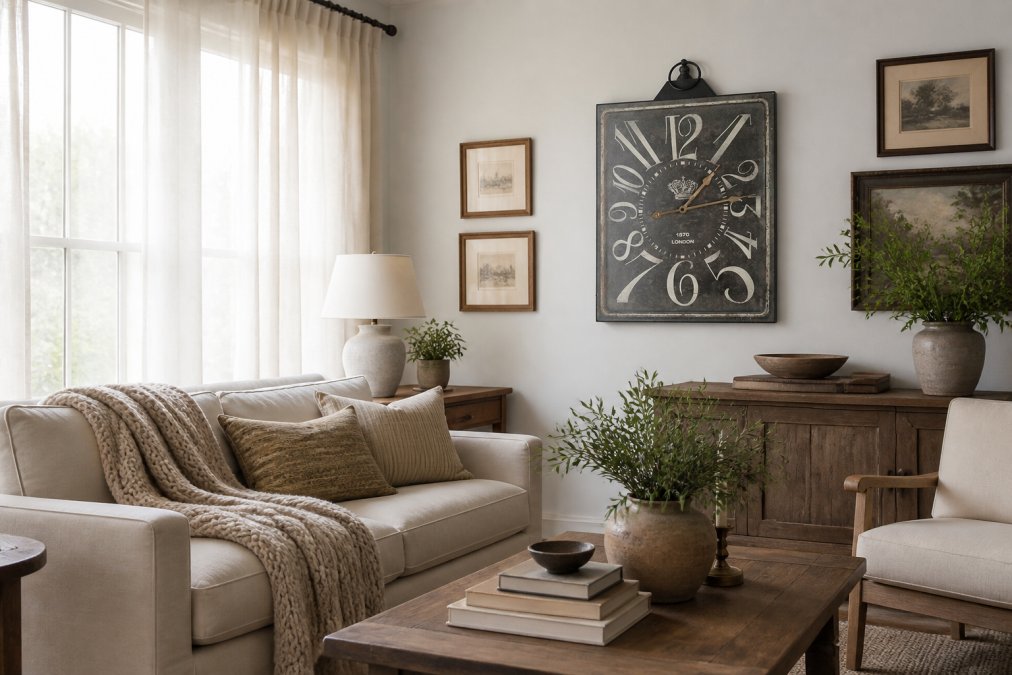
Timeless decor breaks that cycle. It's not about ignoring trends or living in a museum. It's about building spaces with real staying power, pieces and principles that feel fresh in 2026 and will still look intentional in 2032. At Station Home Design, thoughtfully chosen decor creates rooms people actually want to spend time in, year after year.
The difference between spaces that age well and ones that feel dated comes down to a few core principles: choosing materials that develop character rather than show wear, layering textures and eras in ways that feel curated, and investing in furniture silhouettes that don't scream "I bought this in 2025."
Classic Interior Design Principles That Never Go Out of Style
The foundation of any enduring space is built on principles, not products. These aren't trendy guidelines that shift every season, they're the underlying logic that separates spaces designed to last from ones designed to be replaced.
Neutral Foundations as Your Design Anchor
A neutral foundation doesn't mean beige everything. It means choosing wall colors, large furniture pieces, and flooring in shades that won't compete for attention or feel dated in three years. Think warm whites, soft grays, natural wood tones, and muted earth colors.
Neutral spaces feel calm and intentional, and they give you flexibility. When you want to refresh a room, you're swapping out pillows and artwork, not repainting walls or replacing the sofa. Textural depth comes from materials, not color, a cream linen sofa, natural wood shelving, and soft wool throws create visual interest while maintaining that calm, foundational palette.
High-Contrast Color Palettes for Visual Interest
Once you've anchored the room with neutrals, strategic contrast creates focal points. A deep charcoal accent wall, jewel-tone artwork, or richly colored vintage textiles add personality without overwhelming the space. The key is restraint, one or two strong contrasts, not a rainbow of competing colors.
Durable Home Furniture Materials That Age Gracefully
The materials you choose determine whether a piece will look better in five years or worse.
Natural Materials and Stone Finishes
Real wood, natural stone, and genuine leather don't just last, they improve with age. Wood develops patina and character. Leather softens and shows a beautiful history of use. Stone becomes more beautiful as it weathers.
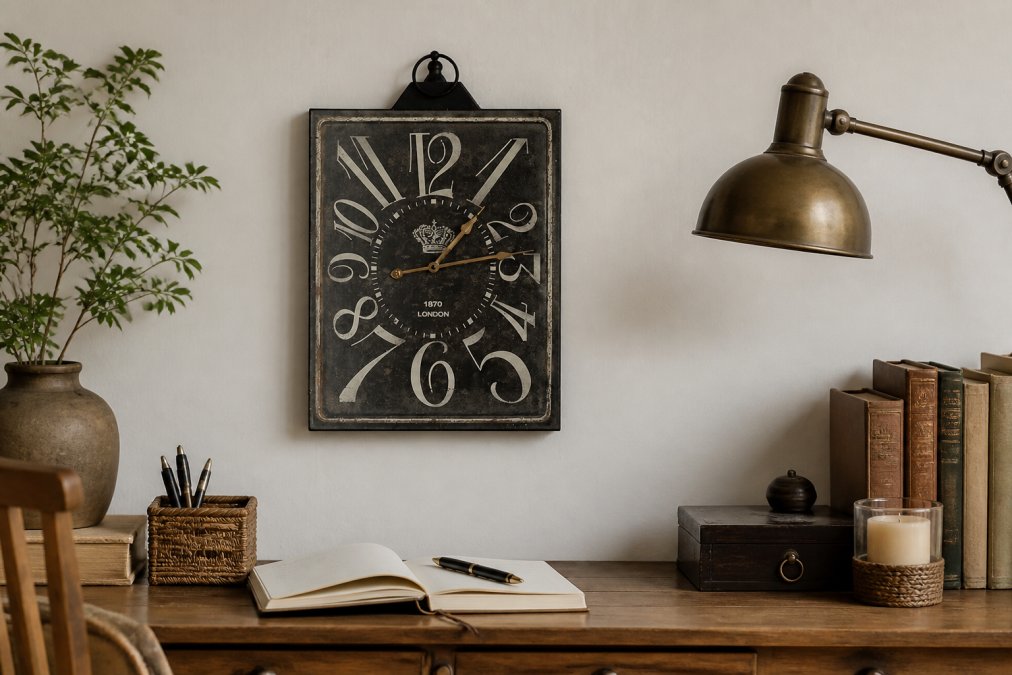
When evaluating furniture, ask: will this material look better in ten years, or worse? Solid wood furniture with proper finish durability will look better. Particle board veneered to look like wood will look worse. Station Home Design focuses on pieces made from materials that reward longevity. Our Large Vintage Clock, for example, is crafted from 100% iron with a finish designed to develop a beautiful patina over time rather than fade or chip.

Textural Depth Through Layering Textures and Fabrics
Layering textures creates visual interest without relying on color trends. Think linen, wool, cotton, leather, and natural fibers combined intentionally. A wool throw over a linen sofa. Linen curtains paired with a leather chair. A room with varied textures shows character and intentionality as it ages, while a room with one dominant fabric looks flat and dated faster.
How to Style a Living Room for Longevity
Your living room is the most-used space in most homes. Getting this right means creating a room that functions beautifully and looks intentional for years.
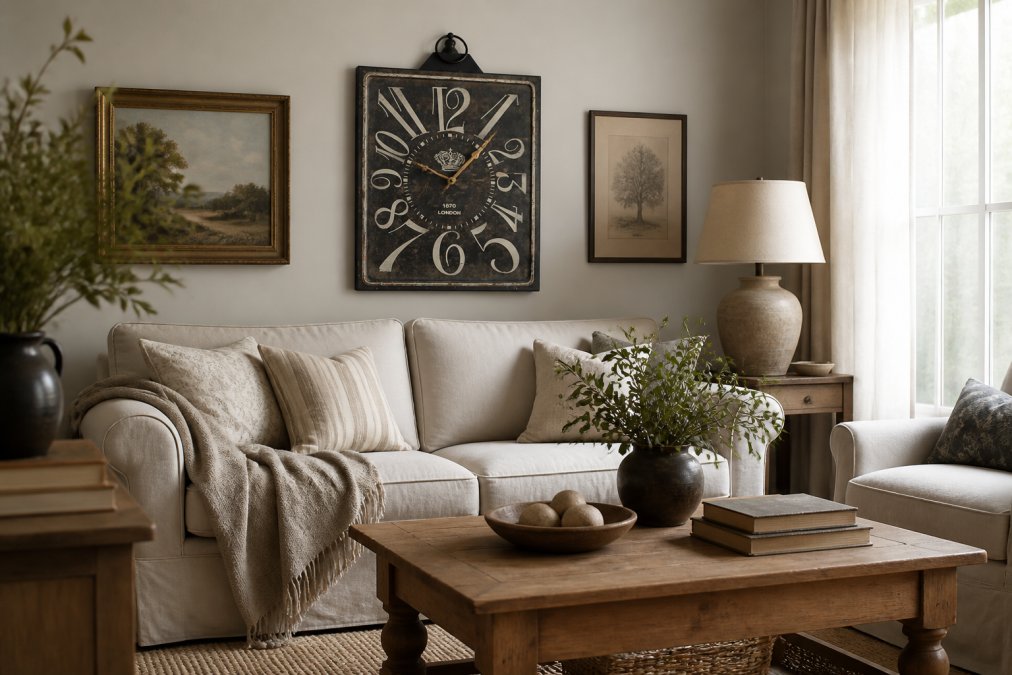
Invest in Furniture Silhouettes That Stand the Test of Time
Furniture trends are cyclical. A mid-century modern sofa with clean lines will look good in 2026 and will still look good in 2032. A sofa with trendy curved arms and exaggerated proportions will feel dated in three years.
The safest bet is furniture with classic silhouettes that have worked for decades. Think Eames-style chairs, simple wooden tables with tapered legs, straightforward sofas without excessive detailing, and functional storage with clean lines. When shopping, ask: would this piece look good in a room from 1995? If the answer is no because of proportions or styling details, it's probably too trendy for a good long-term investment.
Mix Eras and Vintage Objects Thoughtfully
Mixing vintage pieces with newer items creates depth and tells a story. A 1960s credenza next to a modern sofa. A Victorian mirror above a contemporary dresser. The trick is intentionality, mix pieces because they work together visually, with similar color palettes and complementary proportions.
Vintage objects also solve a real problem: they've already proven their durability. If a piece has survived 40 years, it's likely to survive another 40.
Maintenance and Care for Longevity
Here's what separates timeless decor that actually lasts from timeless decor that deteriorates: a maintenance plan. A beautiful leather sofa that's never conditioned will crack and fade. A wooden table that's never sealed will stain and warp. A natural fiber rug that's never cleaned will show dirt and damage that makes even the most intentional design look neglected.
The good news: maintaining timeless pieces isn't complicated. It's just intentional.
Wood Furniture: The Foundation of Longevity
Solid wood is one of the most durable materials you can choose, but it requires basic care. Wood naturally expands and contracts with humidity and temperature changes. Without protection, it stains, warps, and shows every water ring and scratch.
For solid wood furniture, establish a maintenance schedule:
- Every 3-6 months: Dust with a soft, dry cloth using microfiber to avoid scratching.
- Every 6-12 months: Apply a quality wood conditioner or furniture oil to replenish the wood's natural oils and prevent drying and cracking.
- As needed: Treat spills immediately. Wipe water rings with a slightly damp cloth and dry thoroughly.
- Every 2-3 years: Consider a professional refinish or resealing depending on wear.
The investment is minimal. Quality wood oil costs little and lasts through multiple applications.
Leather: Developing Character Over Time
Genuine leather improves with age, softening and developing a patina (peer-reviewed research). But leather requires conditioning to stay supple and prevent cracking.
Leather maintenance:
- Monthly: Dust with a soft, dry cloth.
- Every 3-6 months: Clean with a leather-specific cleaner. Wipe gently with a damp cloth and dry immediately.
- Every 6-12 months: Apply a leather conditioner to keep the material from drying out and cracking.
- As needed: Treat spills immediately by blotting (not rubbing) with a clean cloth.
The difference between conditioned and unconditioned leather is dramatic. Conditioned leather develops a beautiful, rich patina and remains supple. Unconditioned leather dries, cracks, and looks tired within a few years.
Natural Fibers: Rugs, Textiles, and Upholstery
Wool, linen, cotton, and jute are durable and age beautifully, but they require different care than synthetics (peer-reviewed research).
For natural fiber rugs and textiles:
- Weekly or bi-weekly: Vacuum with a gentle setting.
- Annually: Professional dry cleaning for high-traffic rugs to remove embedded dirt and restore texture.
- As needed: Spot-clean spills immediately with cool water and a clean cloth.
Natural fibers show wear differently than synthetics. A well-maintained wool rug looks intentional and cared for. A neglected one looks dingy and worn.
Stone and Hard Surfaces: Sealing and Protection
Natural stone and engineered stone are durable but porous (usgs.gov). They require sealing to prevent staining and etching.
Stone maintenance:
- At purchase: Ask whether your stone has been sealed. If not, have it professionally sealed before use.
- Every 1-3 years: Reseal depending on use and stone type.
- Daily: Wipe spills immediately using a pH-neutral stone cleaner, not acidic cleaners or abrasive scrubbers.
- Monthly: Deep clean with a stone-specific cleaner to remove buildup.
Sealed stone develops character and patina over time. Unsealed or poorly maintained stone stains, etches, and looks damaged.
Creating a Maintenance Calendar
The easiest way to stay on top of maintenance is to document it. Create a simple calendar or set phone reminders for monthly dusting, quarterly conditioning, annual professional cleaning, and periodic refinishing as needed.
Avoiding Trend-Driven Decor Mistakes
The biggest mistake people make is designing around trends. But here's the nuance: not all trends are equal, and avoiding them entirely isn't the goal. The goal is being strategic about which trends you embrace and which you ignore.
The Trend Hierarchy: What to Invest In vs. What to Cycle
Think of your decor in layers. Large, expensive pieces should be timeless. Medium-sized pieces can be semi-trendy. Small, inexpensive accessories can be fully trendy.
Timeless layer (invest here): Sofas, dining tables, beds, flooring, wall colors, and large case goods. These pieces should have classic silhouettes, neutral colors, and durable construction.
Semi-trendy layer (moderate investment): Area rugs, lighting fixtures, window treatments, accent wall paint, and larger artwork. These can reflect current design interests without derailing your entire space.
Trendy layer (minimal investment): Throw pillows, small decorative objects, artwork, plants, and seasonal decor. Embrace trends here. Swap out pillows seasonally and rotate artwork as your interests evolve.
How to Evaluate Whether a Piece Is Trend-Driven
When considering a furniture piece or decor item, ask yourself:
1. Would this piece look good in a room from 1995? If the answer is no because of proportions or styling details, it's probably too trendy for a large investment.
2. Is this piece defined by a specific trend, or does it work across multiple aesthetics? A simple wooden table with tapered legs works in minimalist, maximalist, traditional, and contemporary spaces. A table with exaggerated curves works only in spaces designed around that trend.
3. Does this piece rely on a specific color or finish to be appealing? If a piece only looks good in a trendy color, it's trend-dependent. If it looks good in multiple colors, it's more timeless.
4. Am I buying this because I love it, or because it's currently fashionable? If you're buying something primarily because it's trendy, it's probably not a good long-term investment.
Watch Out for Trend-Cycle Reversals
Design trends are cyclical. Maximalism comes back after minimalism. Warm colors return after cool grays. The trap is designing your entire space around a trend that's currently peaking.
The solution: anchor your space with truly timeless elements (neutral walls, classic furniture silhouettes, durable materials) and let trends cycle through in smaller ways. Your walls stay neutral. Your sofa stays classic. Your accessories change with the times.
Budget-Friendly Timelessness: Quality Over Quantity
The counterintuitive truth: buying fewer, better pieces is cheaper than buying more, mediocre pieces. One quality sofa lasts longer than three cheap ones. One good area rug outperforms two budget rugs. One well-made wooden dresser beats five cheap alternatives.
The budget-friendly approach to timeless decor is about being selective. Choose fewer pieces. Choose better pieces. Choose pieces that will actually age well. Skip the impulse buys and trendy accessories that will feel dated in six months.
Station Home Design carries pieces designed with this philosophy in mind. The Established Last Name Sign is a customizable canvas that becomes more meaningful the longer you own it, the kind of piece that works in any aesthetic and improves with age rather than feeling dated. The 7FT Artificial Fiddle Leaf Fig Tree gives you the visual benefit of greenery without upkeep, and the realistic design means it won't feel fake or cheap.


Building a home filled with timeless decor that lasts isn't about having perfect taste or unlimited budget. It's about understanding principles, choosing materials wisely, and investing in pieces that improve with age rather than deteriorate. When you focus on neutral foundations, durable materials, classic silhouettes, and intentional curation, you create spaces that feel good year after year. Station Home Design exists to help you make those choices, offering thoughtfully curated pieces designed to elevate your daily living experience and bring warmth and personality to every room.
=== FAQ ANSWERS (audit these too, same rules) ===
[1] Q: What home decor elements are considered truly timeless? A: Timeless decor combines neutral color foundations, natural materials, classic furniture silhouettes, and architectural details that transcend trends. Think solid wood tables, quality textiles in neutral tones, vintage artwork, and statement pieces like the Large Vintage Clock that blend seamlessly with multiple design styles. Avoid heavily patterned wallpaper, neon accents, or furniture designed explicitly around current trends.
[2] Q: How can I distinguish between a passing trend and a lasting design choice? A: Ask yourself: Would this piece look equally appealing in five years? Does it serve a functional purpose beyond aesthetics? Trends often rely on novelty (ultra-saturated colors, asymmetrical shapes, material gimmicks), while timeless design emphasizes proportion, quality craftsmanship, and versatility. If you're drawn to something primarily because 'everyone has it right now,' it's likely trend-driven. Invest in pieces with heirloom quality and spatial balance instead.
[3] Q: What materials are best for furniture that lasts for years? A: Solid wood, natural stone, leather, and high-quality textiles like linen and wool offer superior longevity and aesthetic endurance. These materials develop character with age rather than deteriorating. Avoid particleboard, polyester blends, and engineered veneers if longevity is your goal. Natural materials also align with sustainable design principles, making them better investments both financially and environmentally. Station Home Design's curated pieces, including the Established Last Name Sign and vintage-inspired items, emphasize these durable materials.
[4] Q: How do I incorporate personal style into a timeless home design? A: Timelessness doesn't mean sterile minimalism. Layer in personal touches through vintage decor, family heirlooms, curated artwork, and bespoke elements that reflect your story. Use your neutral foundation as a canvas, then add personality through accessories, color accents in smaller doses, and pieces that matter to you. The key is intentionality: every item should either serve a function or carry meaning, creating a curated space rather than a showroom.
Frequently Asked Questions
What home decor elements are considered truly timeless?
Timeless decor combines neutral color foundations, natural materials, classic furniture silhouettes, and architectural details that transcend trends. Think solid wood tables, quality textiles in neutral tones, vintage artwork, and statement pieces like the [Large Vintage Clock](https://stationhomedesign.com/products/large-vintage-clock) that blend seamlessly with multiple design styles. Avoid heavily patterned wallpaper, neon accents, or furniture designed explicitly around current trends.
How can I distinguish between a passing trend and a lasting design choice?
Ask yourself: Would this piece look equally appealing in five years? Does it serve a functional purpose beyond aesthetics? Trends often rely on novelty (ultra-saturated colors, asymmetrical shapes, material gimmicks), while timeless design emphasizes proportion, quality craftsmanship, and versatility. If you're drawn to something primarily because 'everyone has it right now,' it's likely trend-driven. Invest in pieces with heirloom quality and spatial balance instead.
What materials are best for furniture that lasts for years?
Solid wood, natural stone, leather, and high-quality textiles like linen and wool offer superior longevity and aesthetic endurance. These materials develop character with age rather than deteriorating. Avoid particleboard, polyester blends, and engineered veneers if longevity is your goal. Natural materials also align with sustainable design principles, making them better investments both financially and environmentally. Station Home Design's curated pieces, including the [Established Last Name Sign](https://stationhomedesign.com/products/established-last-name-sign-v) and vintage-inspired items, emphasize these durable materials.
How do I incorporate personal style into a timeless home design?
Timelessness doesn't mean sterile minimalism. Layer in personal touches through vintage decor, family heirlooms, curated artwork, and bespoke elements that reflect your story. Use your neutral foundation as a canvas, then add personality through accessories, color accents in smaller doses, and pieces that matter to you. The key is intentionality: every item should either serve a function or carry meaning, creating a curated space rather than a showroom.
This article was written using GrandRanker
Frequently Asked Questions
What home decor elements are considered truly timeless?
Timeless decor combines neutral color foundations, natural materials, classic furniture silhouettes, and architectural details that transcend trends. Think solid wood tables, quality textiles in neutral tones, vintage artwork, and statement pieces like the [Large Vintage Clock](https://stationhomedesign.com/products/large-vintage-clock) that blend seamlessly with multiple design styles. Avoid heavily patterned wallpaper, neon accents, or furniture designed explicitly around current trends.
How can I distinguish between a passing trend and a lasting design choice?
Ask yourself: Would this piece look equally appealing in five years? Does it serve a functional purpose beyond aesthetics? Trends often rely on novelty (ultra-saturated colors, asymmetrical shapes, material gimmicks), while timeless design emphasizes proportion, quality craftsmanship, and versatility. If you're drawn to something primarily because 'everyone has it right now,' it's likely trend-driven. Invest in pieces with heirloom quality and spatial balance instead.
What materials are best for furniture that lasts for years?
Solid wood, natural stone, leather, and high-quality textiles like linen and wool offer superior longevity and aesthetic endurance. These materials develop character with age rather than deteriorating. Avoid particleboard, polyester blends, and engineered veneers if longevity is your goal. Natural materials also align with sustainable design principles, making them better investments both financially and environmentally. Station Home Design's curated pieces, including the [Established Last Name Sign](https://stationhomedesign.com/products/established-last-name-sign-v) and vintage-inspired items, emphasize these durable materials.
How do I incorporate personal style into a timeless home design?
Timelessness doesn't mean sterile minimalism. Layer in personal touches through vintage decor, family heirlooms, curated artwork, and bespoke elements that reflect your story. Use your neutral foundation as a canvas, then add personality through accessories, color accents in smaller doses, and pieces that matter to you. The key is intentionality: every item should either serve a function or carry meaning, creating a curated space rather than a showroom.