 how-to
How to Choose Timeless Furniture Pieces
Table of Contents
- What Makes Furniture Truly Timeless
- How to Identify Quality Furniture Construction
- Best Neutral Furniture Colors for Longevity
- Classic Silhouettes That Stand the Test of Time
- How to Mix Furniture Styles Without Dating Your Space
- Investing in Durability Over Fast Furniture
- Frequently Asked Questions
Last Updated: August 31, 2026
What Makes Furniture Truly Timeless
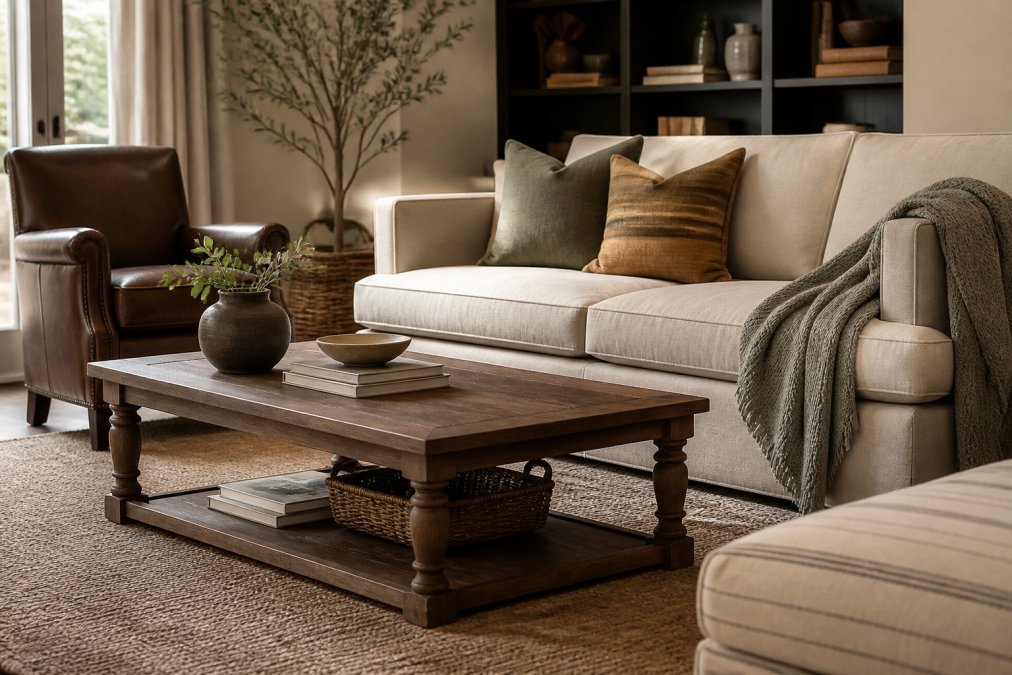
Truly timeless furniture pieces share distinct characteristics: clean lines over trendy shapes, neutral palettes that adapt to changing tastes, and craftsmanship over fast-furniture trends. Timeless design isn't about ignoring style, it's about choosing pieces with such fundamental quality and restraint that they remain relevant as the world around them changes. A well-made wooden dining table with simple proportions works in a farmhouse kitchen, a minimalist loft, or a traditional dining room. That versatility is the hallmark of true longevity in design.

The real challenge isn't finding beautiful pieces. It's identifying which ones will still feel beautiful and functional in 10 years.
How to Identify Quality Furniture Construction
Construction quality is the foundation of longevity. You can't see durability from across a room, but you can learn to spot the markers that separate investment pieces from disposable ones.
Solid Wood vs. Veneers and Composites
Solid hardwood like oak, walnut, or maple ages beautifully, develops character through patina, and can be refinished if needed. Veneers, plywood, and MDF (medium-density fiberboard) don't offer the same longevity, veneer can chip or peel, and MDF swells when exposed to moisture.
Look for solid wood in structural components: the frame, legs, and load-bearing surfaces. Veneer over a solid wood substrate holds up better than veneer over MDF. The real red flag is MDF or plywood used for structural elements that bear weight or stress. When evaluating a piece, ask the seller directly: "Is the frame solid wood or composite?" Honest makers will tell you. If they're vague, that's your answer.
Joinery and Frame Integrity
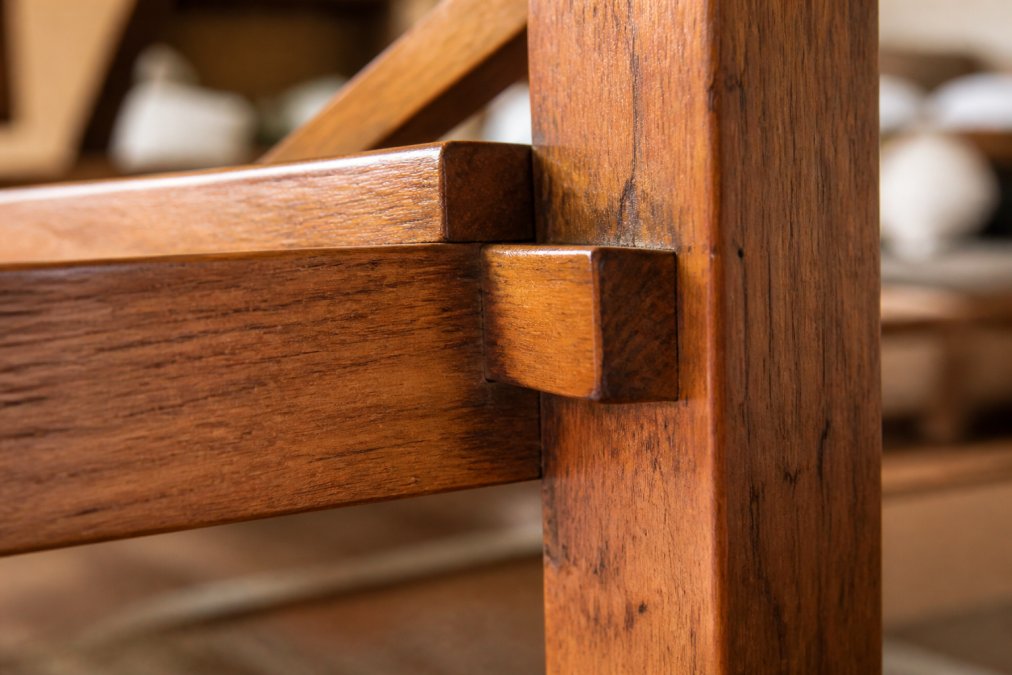
How a piece is put together determines whether it lasts 5 years or 50. Quality joinery, the way wood pieces are connected, separates heirloom furniture from disposable pieces.
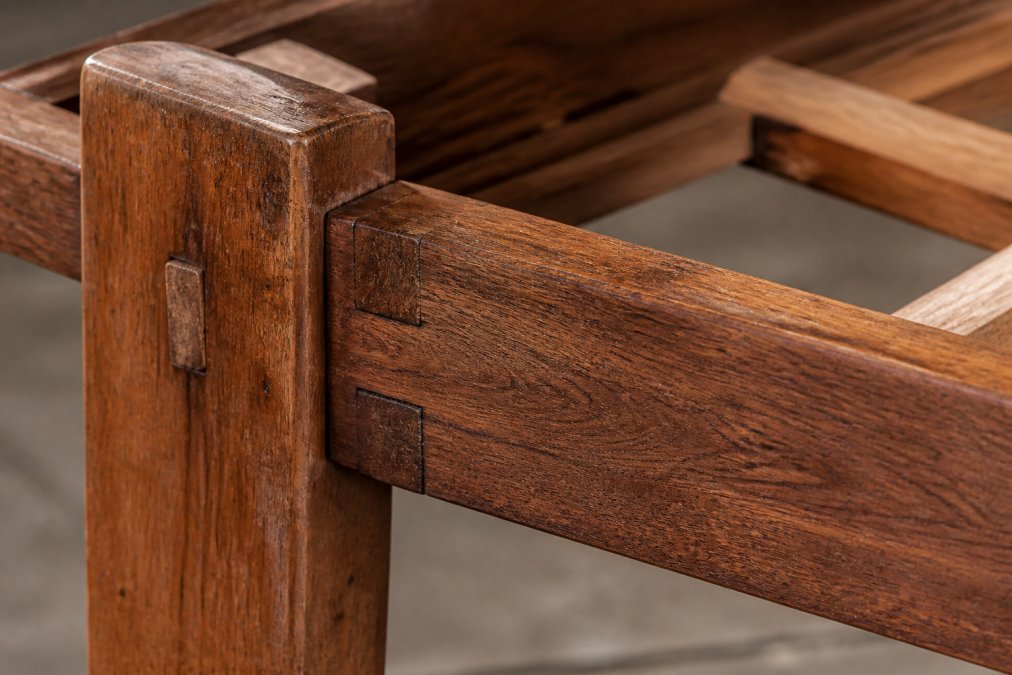
The gold standard is mortise and tenon joinery, where a protruding piece (tenon) fits into a cavity (mortise) and is secured with glue and wooden dowels (woodmagazine.com). Dovetail joints, common in drawer construction, offer similar durability. Both have been used for centuries because they work. Cheaper alternatives like dowel joints and pocket hole joinery work for moderate use but aren't as strong under stress. Butt joints held with nails or staples fail relatively quickly.
Run your hands along the underside and inside of furniture. Feel for gaps between joints. Quality drawers have solid wood sides and dovetail or mortise-and-tenon construction. Budget pieces often have thin plywood sides stapled together. Also check that a sofa or chair has a hardwood frame (not softwood like pine) with taut, well-secured webbing or suspension.
Best Neutral Furniture Colors for Longevity
Neutral doesn't mean boring. It means choosing a palette that adapts as your life changes, works with multiple accent colors, and doesn't scream "I was trendy in 2026."
Understanding Undertones: The Hidden Variable
The difference between a color that ages gracefully and one that feels dated often comes down to undertones, the subtle secondary hues beneath the primary color. A warm white with yellow or red undertones will feel inviting in 10 years; a cool white with blue undertones can feel sterile and dated (peer-reviewed research). Similarly, a warm gray with brown undertones pairs beautifully across decades, while a cool gray with blue undertones locks you into a specific aesthetic moment.
When evaluating a piece, ask: does this color have warm (yellow, red, orange) or cool (blue, green, purple) undertones? Warm undertones age more gracefully because they feel timeless across design eras. The most durable neutral choices are warm whites (cream, ivory, off-white), warm grays (greige, warm taupe), warm beiges, and natural wood tones. These work across design styles and pair easily with both cool and warm accents.
The Practical Color Test
Before committing to a piece, observe it under different lighting conditions. A color that looks perfect in a showroom might feel different in your home's natural light. If possible, request fabric or finish samples and live with them for a few days. A truly timeless color should feel intentional across morning light, evening light, and artificial light.
Also consider the finish. Matte finishes hide fingerprints and dust better than glossy ones and feel more sophisticated over time. For upholstered pieces, performance fabrics in neutral tones offer stain resistance without sacrificing aesthetics. Leather develops a rich patina that many find more beautiful with age.
Colors to Approach Cautiously
Stark white shows every mark and can feel clinical rather than timeless. Very cool grays can feel dated relatively quickly as design trends shift. Colors with obvious undertones tied to a specific trend, millennial pink, sage green, or navy blue, are beautiful as accents but more directional as foundational pieces.
If a color feels trendy when you're choosing it, it will feel dated in five years. Timeless colors should feel slightly understated, even boring, in the moment. That restraint allows them to remain relevant as the world changes.
Classic Silhouettes That Stand the Test of Time
Certain shapes endure because they're proportionally balanced and functionally sound. For sofas and chairs, look for clean lines and simple proportions. Mid-century modern designs with tapered legs, tight backs, and minimal ornamentation remain relevant because they're fundamentally well-designed. Traditional wingback chairs work across settings. Simple sectionals with understated arms last longer than heavily skirted or ornate pieces.
Dining tables with straightforward bases and minimal decorative elements adapt to any setting. A simple pedestal base, trestle base, or clean four-legged construction outlasts tables with elaborate carved details or glass tops that trap dust.
Storage pieces should prioritize function. A cabinet with clean lines, simple hardware, and logical interior layout serves multiple purposes across different rooms and design schemes. Highly decorative or heavily carved pieces feel dated more quickly.
The April Mid Century Modern Luxury Tight Back Sofa from Station Home Design exemplifies this principle, its solid wood frame, clean lines, and tapered legs create a piece that works in contemporary, traditional, or eclectic settings.

Avoid pieces with heavy skirts, overly ornate legs, trendy color combinations built into the design, unusual proportions that limit placement, or materials tied to a specific moment.
The best test: could you place this piece in three different rooms with three different design styles and have it still look intentional? If yes, the silhouette is likely timeless.
How to Mix Furniture Styles Without Dating Your Space
One of the biggest fears with timeless furniture is ending up with a space that feels frozen in time. The solution is thoughtful mixing.
Establish a cohesive foundation with timeless pieces, then layer in personality through accent furniture, textiles, and accessories. A neutral sofa with classic proportions can pair beautifully with a vintage side table, modern art, and contemporary lighting. The foundation feels timeless; the layers feel current.
Start by identifying foundational pieces, usually the largest items: sofa, bed, dining table, main storage. These should be classic in silhouette and neutral in color. Then introduce variety through secondary pieces and styling.
Mixing vintage and modern works particularly well. A vintage wooden dresser paired with contemporary bedding, modern lighting, and current artwork creates visual interest without feeling disjointed. The key is ensuring the vintage piece has solid construction and timeless proportions.
Color mixing also matters. A neutral foundation allows you to play with color through pillows, throws, artwork, and accent pieces. You can refresh these seasonally or as your taste evolves without replacing core furniture.
The Drake Dining Table from Station Home Design demonstrates this versatility, its minimalist design with clean lines works equally well in a room filled with vintage accessories or paired with contemporary pieces.
Investing in Durability Over Fast Furniture
Fast furniture, designed for a few years of use before replacement, has become the default. But the case for durability goes deeper than simple cost-per-year math, it's about building a foundation that adapts to your life rather than forcing you to rebuild every few years.
The True Cost of Replacement Cycles
A sofa that costs 40% more but lasts three times longer is actually cheaper per year (the EPA). A dining table that can be refinished after 10 years of use is more economical than replacing it. Quality construction costs more because it requires better materials, better labor, and better attention to detail. Solid hardwood costs more than MDF. Mortise-and-tenon joinery takes longer than stapling plywood together. These differences compound, but they also mean your piece doesn't deteriorate after three years of normal use.
Adaptability: The Hidden Value of Timeless Design
One of the most underrated benefits of investing in quality, timeless pieces is their ability to adapt to your changing life. A well-made sofa can be reupholstered when the original fabric wears. A solid wood table can be refinished or restained. A classic chair can move from a living room to a bedroom to a home office without feeling out of place. Fast furniture doesn't have this flexibility, once it shows wear, you're replacing it entirely.
This adaptability matters across major life transitions. When you move to a new home, timeless pieces integrate into different design schemes. When your family grows, quality furniture can be repurposed rather than discarded. When you downsize, classic pieces are easier to place in smaller spaces.
Resale Value and the Circular Economy
Timeless, well-made pieces hold resale value. A solid wood dining table from 15 years ago can be sold, donated, or passed down. Fast furniture has essentially zero resale value. When you choose pieces with classic proportions, neutral colors, and solid construction, you're creating an asset that can re-enter the market. Vintage and secondhand furniture markets thrive because timeless pieces remain desirable.
Buying quality secondhand furniture is one of the most economical ways to furnish a home with pieces that will last. A vintage sofa with a solid hardwood frame might cost less than a new fast-furniture equivalent and will outlast it by decades. Thrift stores, estate sales, and online marketplaces are full of timeless pieces that simply need reupholstery or refinishing.
Strategic Investment: Where to Splurge and Where to Save
You don't need to invest at the highest level across every piece. Strategic investment means prioritizing durability where it matters most.
Invest in quality for:
- Your bed, You spend a third of your life here. A quality mattress and frame with solid wood construction is worth the investment.
- Your sofa, Quality frame, suspension system, and upholstery make a dramatic difference in longevity.
- Your dining table, Daily use and exposure to spills demand durability.
- Primary seating, Chairs you sit in regularly need solid construction and proper ergonomics.
You can be more flexible with secondary pieces: accent tables, occasional chairs, and decorative storage. This approach gives you quality where it matters most while keeping overall investment reasonable and allowing room for personality and style evolution.
The Sustainability Angle
Every piece of furniture that ends up in a landfill represents material waste, manufacturing impact, and transportation emissions. Choosing pieces you'll keep for decades rather than years is one of the most tangible ways to reduce consumption. Quality furniture also tends to be made more responsibly, with manufacturers more likely to prioritize sustainable sourcing and ethical labor practices.
When you invest in timeless, durable pieces, you're making both an economical and environmental choice.
Frequently Asked Questions
What defines a piece of furniture as timeless?
Timeless furniture combines clean lines, neutral colors, and functional design that transcends seasonal trends. It features classic silhouettes with understated elegance, solid construction using natural materials, and proportions that work across different interior styles. Heirloom-quality pieces maintain their aesthetic appeal and structural integrity for decades, often improving with age through patina and character development rather than looking dated.
How can you tell if furniture quality will last?
Examine the frame construction, solid hardwood and quality joinery indicate durability. Check for solid wood components rather than particle board or MDF in structural areas. Run your hand along seams and joints for smooth, tight connections. Look for upholstery attached with eight-way hand-tied springs or sinuous springs. Test drawers for smooth gliding and sturdy slides. Quality craftsmanship shows in details like reinforced corners, kiln-dried wood, and proper finishing techniques that prevent warping.
What are the best neutral colors for timeless furniture?
Soft whites, warm grays, beiges, and creams form the foundation of a timeless palette. These neutral tones create versatility, allowing you to refresh your space through accessories and accent colors without replacing core pieces. Warm neutrals with subtle undertones age gracefully and pair well with both vintage and modern elements. Avoid trendy color variations like cool grays or stark whites that may feel dated within years. A neutral palette also maximizes the perceived value of investment pieces by keeping focus on craftsmanship and design integrity.
Is it better to invest in vintage or new timeless furniture?
Both approaches work, vintage pieces offer proven durability and established design integrity, while new timeless furniture provides warranty protection and modern comfort standards. New pieces from curated collections like Station Home Design combine classic silhouettes with contemporary craftsmanship. Vintage finds require careful inspection for structural soundness. The best strategy blends both: anchor your space with new quality pieces featuring timeless proportions, then layer in vintage or secondhand items that complement the overall aesthetic while reducing environmental impact.
This article was written using GrandRanker
Frequently Asked Questions
What defines a piece of furniture as timeless?
Timeless furniture combines clean lines, neutral colors, and functional design that transcends seasonal trends. It features classic silhouettes with understated elegance, solid construction using natural materials, and proportions that work across different interior styles. Heirloom-quality pieces maintain their aesthetic appeal and structural integrity for decades, often improving with age through patina and character development rather than looking dated.
How can you tell if furniture quality will last?
Examine the frame construction—solid hardwood and quality joinery indicate durability. Check for solid wood components rather than particle board or MDF in structural areas. Run your hand along seams and joints for smooth, tight connections. Look for upholstery attached with eight-way hand-tied springs or sinuous springs. Test drawers for smooth gliding and sturdy slides. Quality craftsmanship shows in details like reinforced corners, kiln-dried wood, and proper finishing techniques that prevent warping.
What are the best neutral colors for timeless furniture?
Soft whites, warm grays, beiges, and creams form the foundation of a timeless palette. These neutral tones create versatility, allowing you to refresh your space through accessories and accent colors without replacing core pieces. Warm neutrals with subtle undertones age gracefully and pair well with both vintage and modern elements. Avoid trendy color variations like cool grays or stark whites that may feel dated within years. A neutral palette also maximizes the perceived value of investment pieces by keeping focus on craftsmanship and design integrity.
Is it better to invest in vintage or new timeless furniture?
Both approaches work—vintage pieces offer proven durability and established design integrity, while new timeless furniture provides warranty protection and modern comfort standards. New pieces from curated collections like Station Home Design combine classic silhouettes with contemporary craftsmanship. Vintage finds require careful inspection for structural soundness. The best strategy blends both: anchor your space with new quality pieces featuring timeless proportions, then layer in vintage or secondhand items that complement the overall aesthetic while reducing environmental impact.