 how-to
Decorate Rental Homes Without Damage: 7 Proven Methods
Table of Contents
- Why Damage-Free Decorating Matters for Renters
- Renter-Friendly Wall Decor Solutions That Actually Stick
- Removable Wallpaper for Apartments: Installation and Removal
- Damage-Free Hanging Methods for Art and Mirrors
- Lighting and Floor Protection for Rental Spaces
- Documenting Your Rental Decor for Security Deposit Protection
- Common Mistakes to Avoid When Decorating Your Rental
- Conclusion
Last Updated: August 21, 2026
Why Damage-Free Decorating Matters for Renters
Your security deposit is your financial safety net when you move out. Minor wall damage or adhesive residue can cost hundreds of dollars to repair, but the good news is that decorating rental homes without damage is entirely possible, and it's become the standard expectation for landlords and property managers.
When you decorate thoughtfully, you're protecting your deposit while creating a home that reflects your personality. The right techniques transform a bland apartment into a welcoming space, and you can take most of your decor with you when you leave.
This guide covers seven proven methods for decorating rental homes without damage, from adhesive hooks to removable wallpaper to tension rods. You'll learn not just what works, but why it works, and how to avoid the common mistakes that cost renters thousands in unnecessary charges.
Renter-Friendly Wall Decor Solutions That Actually Stick
The foundation of damage-free rental decorating starts with your walls. Most rental apartments have painted drywall, and that's where adhesive-based solutions shine. The key is choosing products designed for temporary use and understanding the difference between what sticks and what damages.
Adhesive Hooks and Command Strips
Adhesive hooks and command strips are the workhorses of damage-free decorating. These products use a special adhesive formula that bonds to paint without pulling it off when removed, assuming you follow the removal instructions carefully.
Before applying any adhesive hook, clean the wall with a slightly damp cloth and let it dry completely. Dust and residue create a barrier between the adhesive and the wall surface, reducing holding strength. For command strips specifically, press firmly for 30 seconds after application and wait a full hour before loading the hook to let the adhesive set properly.
Weight capacity matters more than you might think. A command strip rated for 5 pounds won't safely hold a 10-pound mirror. Check the product specifications and be honest about what you're hanging. When removal time comes, pull slowly and at a low angle, nearly parallel to the wall. If adhesive residue remains, a bit of rubbing alcohol on a soft cloth removes it without damaging the paint.
Mirror and Acrylic Wall Decals
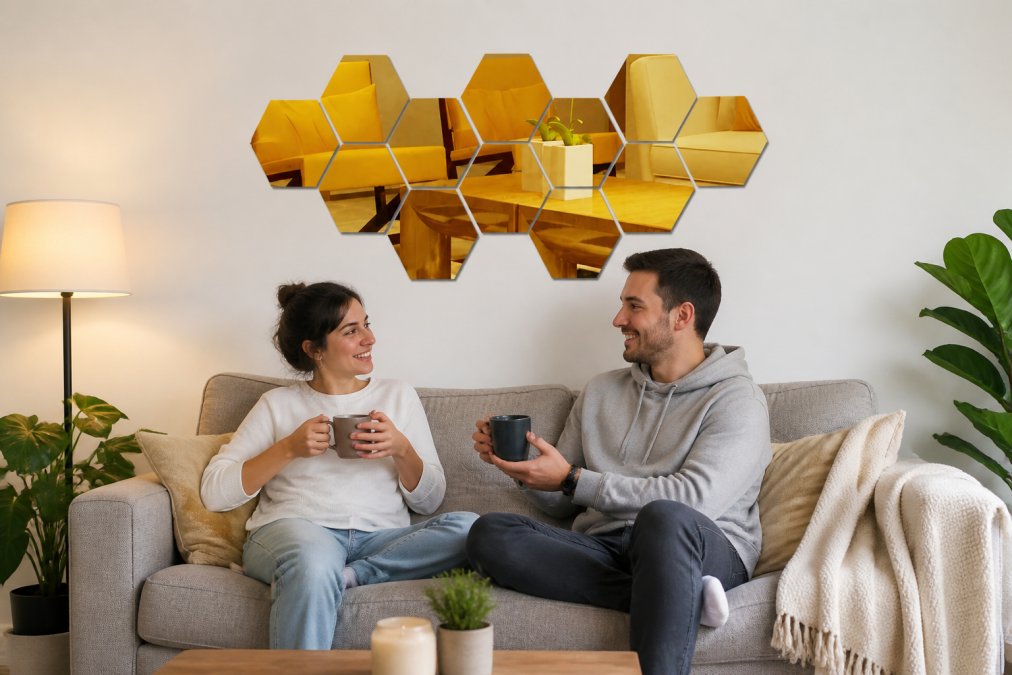
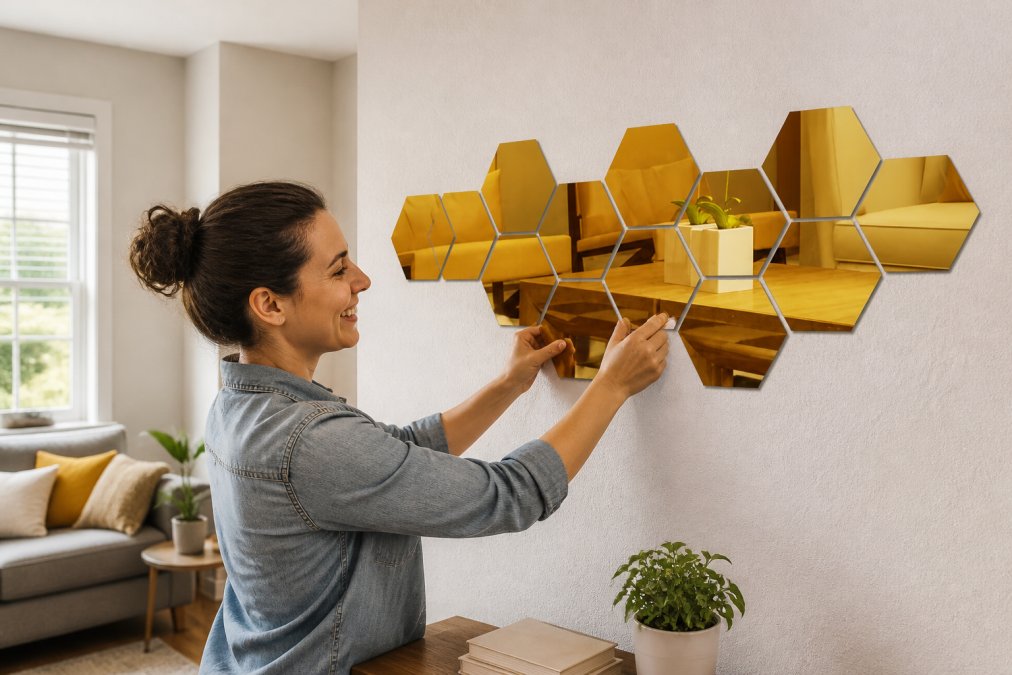
Wall decals offer a different approach to renter-friendly wall decor. Mirror decals create the illusion of depth and reflect light, making small rental spaces feel larger. The Station Home Design Hexagon Mirror Wall Stickers Self-Adhesive Acrylic exemplifies this solution perfectly. These self-adhesive acrylic tiles create a mosaic effect without drilling or permanent installation.

Installation takes minutes: clean the wall, peel the backing, and press each tile firmly into place. Removal is equally straightforward, simply peel them away. Because they're applied directly to the wall surface rather than through hanging hardware, there's minimal risk of damage. Acrylic decals work especially well in bathrooms and bedrooms where you want to add color or pattern without commitment.
Removable Wallpaper for Apartments: Installation and Removal
Removable wallpaper represents a major shift in how renters can personalize their spaces. Unlike traditional wallpaper, peel-and-stick removable wallpaper adheres with a gentle adhesive that releases cleanly without permanent changes.
Start by measuring your wall carefully and cutting your wallpaper to size. Clean the wall thoroughly with a damp cloth and let it dry completely, any dust will create bubbles and reduce adhesion. Begin applying from the top, smoothing downward as you go. Use a squeegee or credit card to push out air bubbles, working from the center outward.
When you're ready to remove removable wallpaper, start at a corner and peel slowly (the FDA). Most quality removable wallpaper peels away without leaving adhesive residue. If you encounter stubborn spots, a bit of heat from a hair dryer softens the adhesive and makes removal easier. Many renters use removable wallpaper to create an accent wall, maximizing visual impact while minimizing the area you're modifying.
Damage-Free Hanging Methods for Art and Mirrors
Hanging art and mirrors in a rental requires working with temporary solutions that hold securely without leaving holes.
Gallery Walls Without Nails
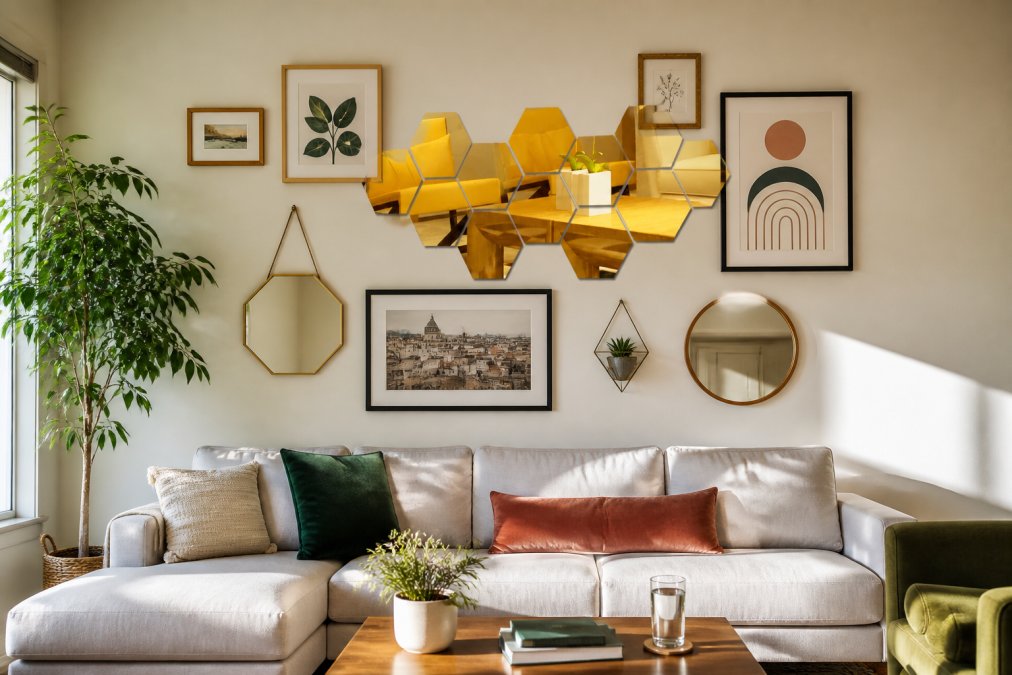
A gallery wall creates visual interest and makes a rental space feel intentional and curated. Start by creating a template on the floor. Arrange your frames in the configuration you want, then trace around them on kraft paper. Tape this template to your wall and use it as a guide for placement.
For each frame, use adhesive hooks rated for the frame's weight. A lightweight 8x10 frame might need only one hook, while a heavier 16x20 requires two. Distribute weight evenly to prevent the frame from tilting or pulling away over time. The beauty of a damage-free gallery wall is flexibility, you can rearrange it whenever you want without worrying about filling old nail holes.
Tension Rods and Portable Solutions
Tension rods offer a surprisingly versatile approach to renter-friendly decorating. While most people think of them as window treatment solutions, they work equally well for hanging tapestries, lightweight artwork, or fabric panels that add color and texture to a room.

A tension rod hung horizontally can display lightweight artwork or a fabric panel without any wall damage. Hung vertically, tension rods create room dividers or display areas for scarves and lightweight textiles. The rod itself requires no installation beyond twisting to extend it between two walls or mounting points. For renters with limited wall space or those who want to avoid any adhesive, tension rods provide a damage-free alternative.
Lighting and Floor Protection for Rental Spaces
Lighting transforms a rental space from institutional to inviting. Many apartments come with minimal or unflattering overhead lighting. Portable floor lamps work in nearly every room and require no installation. Look for lamps with stable bases that won't tip easily, especially if you have pets or live in a high-traffic area.
String lights and LED strip lighting offer another approach. These products stick to walls or shelves and create mood lighting without any installation. Many come with remote controls, allowing you to adjust brightness and color temperature to match your needs.
Floor protection serves a dual purpose in rentals: it protects your security deposit and defines spaces within an open floor plan. Area rugs anchor furniture arrangements, add warmth underfoot, and protect flooring from damage. A well-placed rug under your dining table protects flooring from spills while defining the eating area.
Documenting Your Rental Decor for Security Deposit Protection
This is the step many renters skip, and it's the one that protects your deposit when move-out day arrives. Before you install anything, take dated photos of your walls in natural light. Capture wide shots of each room and close-ups of any existing damage, stains, or imperfections. Store these photos with timestamps in a cloud-based service or email them to yourself for backup.
As you decorate, keep receipts and product documentation for everything you install. Take photos of each installation showing how the product was applied. When you move out, document the removal process. Take photos showing the wall after you've removed decorations, proving that your installation didn't cause damage. Keep all documentation in a folder organized by room. This organized approach demonstrates that you took care to decorate responsibly and can significantly strengthen your position if a deposit dispute occurs.
Common Mistakes to Avoid When Decorating Your Rental
The most common mistake is ignoring weight limits on adhesive products. A command strip rated for 5 pounds can't safely hold a 15-pound mirror. Always check weight specifications and use multiple hooks if necessary to distribute weight properly.
Another frequent error is rushing the removal process. Pulling adhesive strips quickly or at sharp angles tears paint (3m.com). The correct approach takes time: slow, steady pressure at low angles. If something doesn't release easily, apply heat or adhesive remover rather than forcing it.
Many renters also fail to prepare walls properly before installation. Dust and dirt reduce adhesive effectiveness, leading to products that slip or fail. A quick wipe with a damp cloth takes seconds and dramatically improves results.
Choosing the wrong products for your specific situation creates problems. Adhesive solutions work well on smooth, painted drywall but may fail on textured walls or wallpaper. Understanding your walls and selecting appropriate products prevents installation failures. Finally, neglecting to document your work leaves you vulnerable to deposit disputes. Even if you've decorated responsibly, you need proof.
Decorating rental homes without damage comes down to choosing the right products, installing them carefully, and documenting everything. The methods covered here, adhesive hooks, removable wallpaper, tension rods, and thoughtful lighting, transform bland rental spaces into homes that reflect your personality without risking your security deposit.
Station Home Design offers curated decor pieces designed to work beautifully in any space, including rentals. From the Hexagon Mirror Wall Stickers Self-Adhesive Acrylic that adds visual interest without installation to portable lighting solutions that brighten dark corners, our collection helps you create welcoming spaces that you can take with you when you move. Start with one damage-free solution and build your rental aesthetic from there, your future self will thank you when move-out day arrives with your deposit intact.
Frequently Asked Questions
How can I hang pictures in a rental without damaging walls?
Use adhesive strips, command hooks, or mounting putty designed for temporary hanging. These residue-free options hold artwork securely without leaving holes or marks. For heavier pieces, damage-free picture hangers with adhesive backing distribute weight safely. Always test on a small inconspicuous area first, and remove strips slowly at a 45-degree angle to prevent wall damage.
What are the best removable wallpaper options for renters?
Peel-and-stick wallpaper is the gold standard for rental-safe decor. These vinyl decals adhere smoothly to clean walls and remove without residue when you move. Look for options specifically labeled 'renter-friendly' or 'landlord-approved.' Apply wallpaper to clean, dry surfaces for best results, and test removal in an inconspicuous corner before committing to large areas.
Can I paint walls in a rental property?
Most lease agreements prohibit painting without landlord permission. Always check your lease and get written approval before painting. If allowed, use neutral colors and plan to repaint before moving out. For temporary color changes without painting, removable wallpaper and fabric wall hangings offer renter-safe alternatives that transform a space instantly.
How do I protect my security deposit when decorating a rental?
Document everything with photos before decorating and after removal. Take timestamped photos showing the original condition, your decorating process, and the restoration. Keep receipts for all damage-free products used. Photograph any pre-existing damage and report it to your landlord in writing. This documentation protects you if disputes arise about wear and tear versus damage you caused.
This article was written using GrandRanker
Frequently Asked Questions
How can I hang pictures in a rental without damaging walls?
Use adhesive strips, command hooks, or mounting putty designed for temporary hanging. These residue-free options hold artwork securely without leaving holes or marks. For heavier pieces, damage-free picture hangers with adhesive backing distribute weight safely. Always test on a small inconspicuous area first, and remove strips slowly at a 45-degree angle to prevent wall damage.
What are the best removable wallpaper options for renters?
Peel-and-stick wallpaper is the gold standard for rental-safe decor. These vinyl decals adhere smoothly to clean walls and remove without residue when you move. Look for options specifically labeled 'renter-friendly' or 'landlord-approved.' Apply wallpaper to clean, dry surfaces for best results, and test removal in an inconspicuous corner before committing to large areas.
Can I paint walls in a rental property?
Most lease agreements prohibit painting without landlord permission. Always check your lease and get written approval before painting. If allowed, use neutral colors and plan to repaint before moving out. For temporary color changes without painting, removable wallpaper and fabric wall hangings offer renter-safe alternatives that transform a space instantly.
How do I protect my security deposit when decorating a rental?
Document everything with photos before decorating and after removal. Take timestamped photos showing the original condition, your decorating process, and the restoration. Keep receipts for all damage-free products used. Photograph any pre-existing damage and report it to your landlord in writing. This documentation protects you if disputes arise about wear and tear versus damage you caused.