
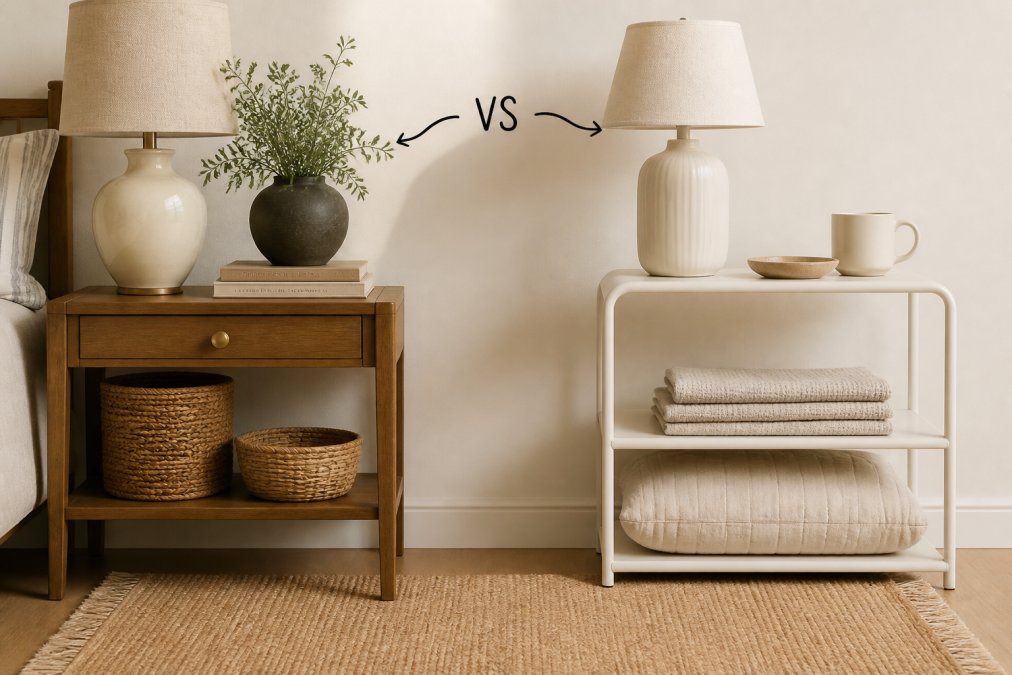
 comparison
Curated Home Decor vs Quince: Which Fits Your Style
Table of Contents
- Curated Home Decor vs Quince: Quick Comparison
- Design Philosophy and Aesthetic Direction
- Best Affordable Luxury Home Decor: Price and Value Analysis
- Quality, Materials, and Long-Term Durability
- How to Style a Home With Curated Pieces
- Direct-to-Consumer Home Decor Reviews: What Sets Them Apart
- Shipping, Returns, and Customer Experience
- Which Brand Should You Choose?
Last Updated: August 26, 2026
Curated Home Decor vs Quince: Quick Comparison
When you're hunting for the perfect pieces to transform your living space, the choice between curated home decor retailers can feel overwhelming. Curated home decor has exploded as a category, think thoughtfully selected designs blending comfort, elegance, and functionality into cohesive collections. Quince, meanwhile, has built a reputation on direct-to-consumer simplicity and value pricing. But here's what most shoppers miss: the real difference isn't just about product selection or price tags. It's about how these brands approach curation itself, and whether their philosophy actually matches how you want to shop.
Station Home Design operates in this same space, offering a carefully curated collection of home decor and furnishings designed to help you build spaces that reflect your personality. The question isn't which brand is objectively "best." It's which one aligns with your aesthetic goals, budget constraints, and shopping preferences.
| Aspect | Curated Home Decor | Quince | Station Home Design |
|---|---|---|---|
| Curation Approach | Trend-focused, seasonal | Minimalist, timeless basics | Thoughtfully selected, personality-driven |
| Price Range | Mid to premium | Budget-friendly | Mid-range, accessible luxury |
| Design Aesthetic | Contemporary, design-forward | Neutral, versatile | Elegant, everyday living |
| Material Focus | High-quality textiles | Sustainable, durable | Comfort meets elegance |
| Best For | Style-conscious shoppers | Value seekers, renters | Personality-driven decorators |
Design Philosophy and Aesthetic Direction
Every curated home decor brand operates from a distinct point of view about what "good design" actually means. Curated Home Decor leans heavily into trend-responsive pieces, seasonal collections that shift with what's happening in interior design right now. If Instagram is showing earthy maximalism this quarter, you'll find that reflected in their inventory. The aesthetic is design-forward, contemporary, and unapologetically styled for people who want their homes to feel current.
Quince approaches this differently. Their philosophy centers on timeless basics, neutral tones, clean lines, functional pieces that won't feel dated in two years. It's the anti-trend strategy. Their color palette stays firmly in the beige, white, and gray territory. The design language is minimal and intentionally understated. For renters or anyone nervous about making bold design commitments, this restraint feels safe.
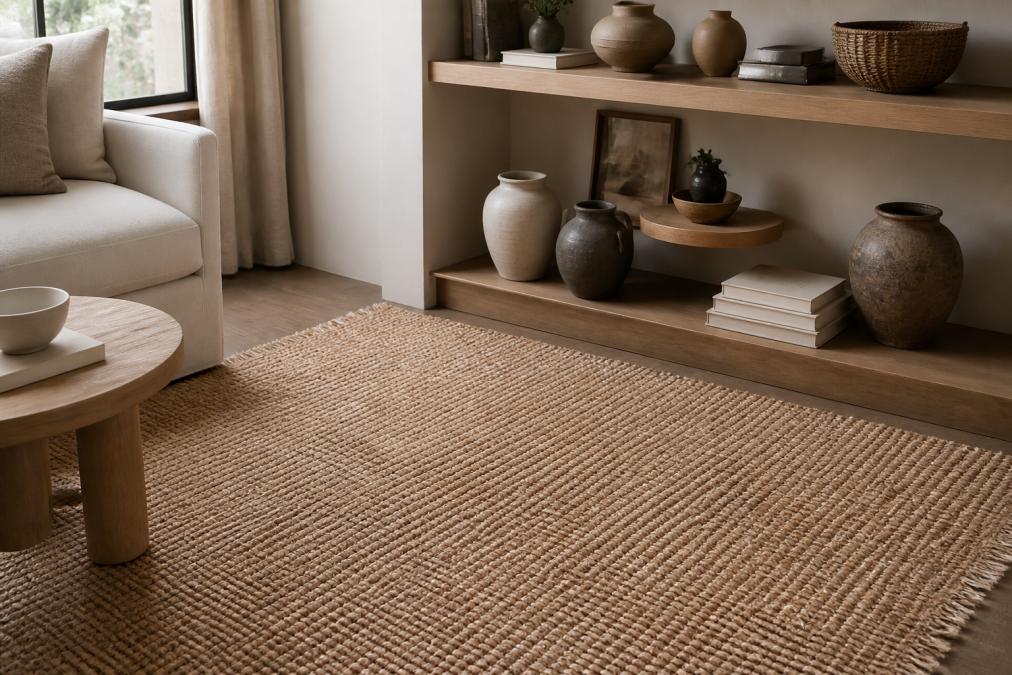
Station Home Design sits somewhere in the middle, thoughtfully selected designs that prioritize timeless elegance without sacrificing personality. The collection blends comfort with intentional styling, creating pieces that work as foundational elements in any room. Rather than chasing trends or defaulting to minimalism, the approach emphasizes pieces that elevate daily living through both form and function.
The key tension here: Do you want your home to feel current and design-conscious (Curated Home Decor), deliberately timeless and minimal (Quince), or elegantly personal and warm (Station Home Design)? Your answer determines which brand actually serves your goals.
Best Affordable Luxury Home Decor: Price and Value Analysis
Let's talk about what "affordable luxury" actually means, because the term gets thrown around carelessly. True affordable luxury means high-quality materials and thoughtful design at a price point that doesn't require taking out a second mortgage.
Quince wins the pure affordability battle. Their positioning is explicit: direct-to-consumer pricing with no middleman markup. You're paying for materials and production, not brand prestige or seasonal marketing campaigns. Most pieces hover in the accessible range, rugs, throw pillows, and basic furniture at prices that feel genuinely reasonable.
Curated Home Decor positions itself as premium-adjacent. Their pieces cost more than Quince, reflecting both higher-end materials and the curation overhead. You're paying for someone's editorial eye to have selected these specific items. That costs money. Whether that premium is worth it depends entirely on whether you value that curation or prefer to DIY your selections.
Station Home Design balances quality with accessibility. Products like the Senneterre Natural Jute Rug at $59.00 deliver handcrafted, eco-friendly materials without the luxury price tag. The Cammen Vase at $48.98 offers ceramic quality and organic design at entry-level pricing. The Fremantle Gray Marble Rug at $69.00 brings contemporary flair without the premium markup. These price points reflect the direct-to-consumer advantage, no retail middleman, no seasonal markups.


The real question: Are you shopping for individual statement pieces, or building a cohesive collection? Quince works beautifully if you're assembling basics. Curated Home Decor makes sense if you want editorial guidance on higher-end selections. Station Home Design serves the middle ground, quality pieces at reasonable prices without requiring you to piece together an entire aesthetic from scratch.
Quality, Materials, and Long-Term Durability
This is where shopping decisions often fall apart. People see a beautiful rug online and imagine it in their space. Six months later, it's matted down, colors have faded, or seams are coming loose. Durability isn't sexy to discuss, but it's the difference between a purchase you love for years and one you resent after six months.
Quince builds their reputation on sustainable, durable materials (quince.com). Their focus on basics means they invest in construction quality, these pieces are designed to last through years of actual use, not just photograph well. The material composition tends toward natural fibers and durable synthetics chosen specifically for longevity.
Curated Home Decor's durability varies by piece. Since they're curating from multiple sources, quality consistency depends on the individual designer or manufacturer. A gorgeous designer pillow might be exquisite, but the rug from a different maker could disappoint. You're trusting the curation to catch quality issues, but that's not guaranteed.
Station Home Design's collection shows thoughtful material selection. The Senneterre Natural Jute Rug uses 100% jute with handwoven construction, materials chosen for both aesthetic and practical durability (peer-reviewed research). The Fremantle Gray Marble Rug features a medium pile weave specifically designed for long-lasting comfort underfoot. Even the Cammen Vase uses ceramic construction that ages beautifully rather than looking cheap after a few months. The Earth Collection Indoor/Outdoor Rug with flatweave construction and polypropylene yarn is built for high-traffic areas, the kind of durability thinking that separates intentional design from decorative afterthought (the FTC).
The wear-and-tear reality: Neutral pieces from Quince will hold up predictably because consistency is their model. Curated pieces vary. Station Home Design's selections prioritize materials and construction quality that genuinely withstand years of living, not just months of Instagram-worthy styling.
How to Style a Home With Curated Pieces
Here's what most guides get wrong about styling with curated pieces: they treat it like an art project where every element needs to be intentional and coordinated. That's exhausting and it's wrong. Real homes are lived in. Real styling is about layering pieces that feel cohesive without feeling sterile.
The foundational approach works like this: Start with textural basics. A neutral rug grounds the space, something like the Senneterre Natural Jute Rug provides organic texture without demanding attention. Layer in your statement pieces next. The Fremantle Gray Marble Rug, with its contemporary abstract design, can anchor a living room while the neutral tones keep it flexible. Then add accent pieces, the Cammen Vase works beautifully on a shelf or entryway table, its organic swirls providing visual interest without competing with other elements.
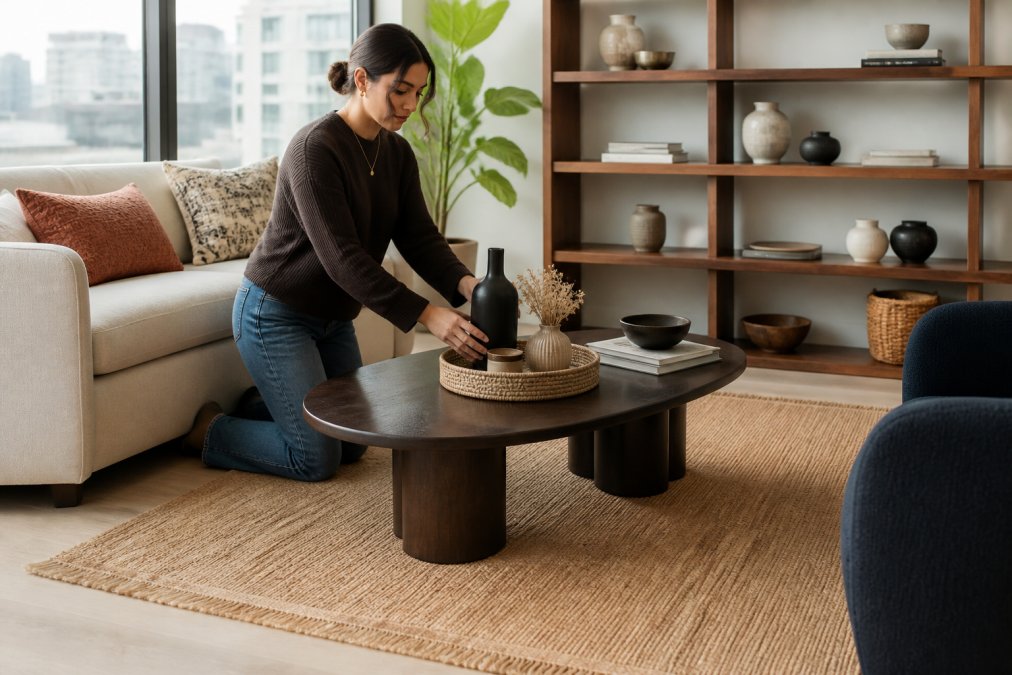
The key principle: Think in layers, not in individual purchases. Each piece should serve a function, whether that's anchoring a space, adding texture, providing color, or creating visual rhythm. Curated collections work best when you understand how pieces relate to each other, not just how they look in isolation.
With Quince's minimalist approach, styling becomes simpler because the palette is constrained. Everything neutrals means almost nothing clashes. The trade-off: your space might feel safe but forgettable.
With Curated Home Decor's trend-responsive pieces, styling requires more confidence. You're mixing contemporary design elements, which demands a clearer aesthetic vision.
Station Home Design's collection is designed to be mixed and layered. The thoughtful curation means pieces work together intuitively, the neutral tones of the Cammen Vase complement the texture of the Senneterre Rug, while the contemporary marble pattern of the Fremantle Rug bridges minimalist and design-forward aesthetics. This is styling for people who want cohesion without overthinking it.
Direct-to-Consumer Home Decor Reviews: What Sets Them Apart
Direct-to-consumer (DTC) has become the dominant model for home decor brands, and for good reason. No retail middleman means lower prices, faster inventory updates, and direct feedback loops between brand and customer. But not all DTC models work the same way.
Quince operates pure DTC, they own the manufacturing relationships, control pricing, and pass savings directly to customers. This model works beautifully for basics because consistency is easier to maintain when you're managing fewer SKUs and focusing on timeless designs.
Curated Home Decor uses a hybrid model, they curate pieces from multiple makers and designers, then sell direct. This creates more variety but less control over quality consistency. You're getting editorial curation as the value-add, not manufacturing efficiency.
Station Home Design combines DTC pricing advantage with thoughtful curation. They're not trying to be everything to everyone. The collection is intentionally smaller, which means every piece has been selected for both quality and design philosophy. This is the sweet spot for many shoppers, you get the price benefits of DTC without the overwhelming choice paralysis of massive catalogs.
The reviews landscape reflects these differences. Quince customers praise reliability and value, you know what you're getting. Curated Home Decor reviews highlight design inspiration and trendiness, but also mention occasional quality inconsistencies. Station Home Design reviews emphasize how well pieces work together and the thoughtful curation that makes decorating less stressful.
What most reviews miss: DTC doesn't automatically mean better quality. It means fewer intermediaries. The actual quality depends on the brand's sourcing standards and production oversight. Quince maintains quality through manufacturing control. Station Home Design maintains it through careful curation and partner relationships. Curated Home Decor's quality depends on trusting their editorial process, which works until it doesn't.
Shipping, Returns, and Customer Experience
Here's where the rubber meets the road: you've chosen your pieces, you've paid, and now you're waiting. Or worse, the item arrived and it's not what you expected. How each brand handles this moment matters enormously.
Quince emphasizes straightforward logistics. Direct manufacturing relationships mean they control shipping timelines. Returns are handled smoothly because they own the inventory. The customer experience is transactional but reliable, you know what to expect.
Curated Home Decor's shipping varies by piece because items come from different makers. This flexibility means faster availability for some items but less predictability overall. Returns can be more complicated when the piece came from a third-party designer or manufacturer.
Station Home Design operates with the DTC advantage, direct control over shipping and returns. The collection size means they can manage inventory efficiently. More importantly, the thoughtful curation extends to customer experience. When you're buying from a smaller, intentional collection, the brand has invested in making sure pieces arrive in good condition and meet expectations.
The real differentiator in customer experience isn't just logistics, it's whether the brand stands behind its curation. A company that carefully selects pieces is more likely to handle problems proactively because they're invested in your satisfaction. A company that's purely transactional treats returns as a cost center to minimize.
Which Brand Should You Choose?
Choose Quince if you're building a neutral foundation, you're renting and want flexibility, or you're price-sensitive and value consistency over curation. Their direct-to-consumer model delivers genuine savings. You won't get trendy pieces, but you'll get reliable basics that work in almost any space.
Choose Curated Home Decor if you want editorial guidance on higher-end pieces, you're following interior design trends, or you value the curation process itself. You'll pay more, but you're getting someone's expert eye filtering options. The trade-off is less predictability on quality and potentially higher prices.
Choose Station Home Design if you want thoughtfully selected pieces that work together, you're tired of overwhelming choice, or you want quality and personality without premium pricing. The collection is intentionally curated to help you build cohesive spaces that reflect your personality. The price points are accessible, the materials are chosen for durability, and the design philosophy prioritizes everyday elegance.
The honest truth: all three approaches work. The best choice depends on what you actually value in the shopping experience. Are you seeking efficiency (Quince), inspiration (Curated Home Decor), or thoughtful curation that makes decorating less stressful (Station Home Design)?
Ready to start building your curated space? Add pieces from Station Home Design's collection to your cart and create rooms that tell your story. With thoughtfully selected designs that blend comfort, elegance, and everyday functionality, you'll transform your space into somewhere you genuinely want to spend time. Start with a foundational piece like the Senneterre Natural Jute Rug or Fremantle Gray Marble Rug, then layer in accent pieces that bring warmth and personality to every corner of your home.
Frequently Asked Questions
Q: What's the main difference between Curated Home Decor and Quince's business models?
A: Curated home decor brands like Station Home Design focus on thoughtfully selected, design-forward pieces with a curation philosophy that emphasizes timeless aesthetic and quality. Quince operates as a direct-to-consumer brand that eliminates middleman markup by manufacturing and selling directly to customers. This means Quince prioritizes affordability through volume and vertical integration, while curated home decor brands emphasize editorial selection and design cohesion. Both models work, but they serve different priorities: budget-conscious shoppers versus design-conscious buyers seeking cohesive, elevated essentials.
Q: How does the quality of home textiles compare between these two retailers?
A: Curated home decor retailers typically source from established manufacturers and prioritize textile quality, hand-woven construction, and natural fibers. Station Home Design's Senneterre Natural Jute Rug ($59.00), for example, features 100% jute with hand-woven construction. Quince focuses on functional durability at lower price points, often using synthetic blends and machine-woven construction. If you want textiles that feel luxurious and age gracefully, curated pieces tend to offer better long-term wear. If you need affordable, stain-resistant options for high-traffic areas, Quince's approach works well.
Q: Why should I shop with a curated home decor brand instead of Quince?
A: Curated home decor brands offer thoughtful design curation, editorial guidance, and pieces selected for timeless appeal rather than trend-chasing. You're paying for the expertise behind each selection, not just the product. These brands help you build cohesive, personalized spaces that reflect your aesthetic. Quince is ideal if you want affordable foundational pieces quickly. But if you're investing in finishing touches and statement pieces that will anchor your space for years, curated selections provide confidence that each piece works together and won't look dated in six months.
Q: What should I look for when choosing between curated boutiques and direct-to-consumer brands?
A: Consider your priorities: Are you seeking design guidance and curated collections, or do you prioritize low cost and fast shipping? Curated boutiques excel at creating cohesive aesthetics and offering unique, artful accents you won't find elsewhere. Direct-to-consumer brands offer better value on foundational pieces and textiles. Think about your space too. Renting or temporary? Direct-to-consumer offers flexibility. Investing in your forever home? Curated pieces with timeless design hold their appeal longer. Also check return policies, material composition, and whether the brand's aesthetic actually matches your vision before committing.
Q: Are shipping and return policies comparable for home goods between these retailers?
A: Most curated home decor retailers and direct-to-consumer brands offer similar shipping timelines, though direct-to-consumer often has faster fulfillment. Return policies vary widely. Before purchasing, verify the specific return window, whether items can be returned if opened or used, and who covers return shipping. For furniture and large pieces, some retailers offer white-glove delivery or assembly options at additional cost. Always check the fine print, especially for items like rugs or textiles that may have different return standards than smaller decor pieces.
This article was written using GrandRanker
Frequently Asked Questions
Q: What's the main difference between Curated Home Decor and Quince's business models?
A: Curated home decor brands like Station Home Design focus on thoughtfully selected, design-forward pieces with a curation philosophy that emphasizes timeless aesthetic and quality. Quince operates as a direct-to-consumer brand that eliminates middleman markup by manufacturing and selling directly to customers. This means Quince prioritizes affordability through volume and vertical integration, while curated home decor brands emphasize editorial selection and design cohesion. Both models work, but they serve different priorities: budget-conscious shoppers versus design-conscious buyers seeking cohesive, elevated essentials.
Q: How does the quality of home textiles compare between these two retailers?
A: Curated home decor retailers typically source from established manufacturers and prioritize textile quality, hand-woven construction, and natural fibers. Station Home Design's Senneterre Natural Jute Rug ($59.00), for example, features 100% jute with hand-woven construction. Quince focuses on functional durability at lower price points, often using synthetic blends and machine-woven construction. If you want textiles that feel luxurious and age gracefully, curated pieces tend to offer better long-term wear. If you need affordable, stain-resistant options for high-traffic areas, Quince's approach works well.
Q: Why should I shop with a curated home decor brand instead of Quince?
A: Curated home decor brands offer thoughtful design curation, editorial guidance, and pieces selected for timeless appeal rather than trend-chasing. You're paying for the expertise behind each selection, not just the product. These brands help you build cohesive, personalized spaces that reflect your aesthetic. Quince is ideal if you want affordable foundational pieces quickly. But if you're investing in finishing touches and statement pieces that will anchor your space for years, curated selections provide confidence that each piece works together and won't look dated in six months.
Q: What should I look for when choosing between curated boutiques and direct-to-consumer brands?
A: Consider your priorities: Are you seeking design guidance and curated collections, or do you prioritize low cost and fast shipping? Curated boutiques excel at creating cohesive aesthetics and offering unique, artful accents you won't find elsewhere. Direct-to-consumer brands offer better value on foundational pieces and textiles. Think about your space too. Renting or temporary? Direct-to-consumer offers flexibility. Investing in your forever home? Curated pieces with timeless design hold their appeal longer. Also check return policies, material composition, and whether the brand's aesthetic actually matches your vision before committing.
Q: Are shipping and return policies comparable for home goods between these retailers?
A: Most curated home decor retailers and direct-to-consumer brands offer similar shipping timelines, though direct-to-consumer often has faster fulfillment. Return policies vary widely. Before purchasing, verify the specific return window, whether items can be returned if opened or used, and who covers return shipping. For furniture and large pieces, some retailers offer white-glove delivery or assembly options at additional cost. Always check the fine print, especially for items like rugs or textiles that may have different return standards than smaller decor pieces.