
 listicle
Curated Home Decor Sites: Reviews & How to Shop Smart
Table of Contents
- What Makes a Curated Home Decor Site Stand Out
- Criteria for Selecting Quality Home Decor Shops
- Tips for Buying Home Decor Online
- How to Style a Curated Home
- Sustainable and Ethical Decor Sourcing
- Curated vs. Mass-Produced: Understanding the Pricing Model
- Vintage Finds vs. Modern Classics
- Supporting Small and Independent Retailers
- Frequently Asked Questions
Last Updated: September 1, 2026
What Makes a Curated Home Decor Site Stand Out
A truly excellent curated home decor site doesn't just throw thousands of items at you and call it selection. Instead, it thoughtfully selects pieces that work together, tell a story, and actually elevate your space rather than clutter it.
At Station Home Design, we understand that curated home decor sites succeed when they balance three core elements: quality over quantity, aesthetic coherence, and genuine craftsmanship. The best curated home decor sites reviews reveal that customers aren't just buying individual items, they're investing in a lifestyle and a design philosophy.
The hallmark of a standout curated home decor site is transparency about sourcing. Where do the pieces come from? Are they hand-picked by actual designers? Is there a genuine story behind each collection? These questions matter because they separate truly curated experiences from algorithmic recommendations masquerading as curation.
Another distinguishing factor is how a site handles the tension between accessibility and exclusivity. The sites that win strike a balance: high-quality pieces at prices that feel fair, not inflated just because something is "curated."
Criteria for Selecting Quality Home Decor Shops
Finding a quality home decor shop online requires evaluating several key factors. Start by examining the shop's design philosophy. Does it have one? A strong point of view, whether it's mid-century modern, maximalist, sustainable, or eclectic, signals that someone is making deliberate choices.
Look at how products are photographed and presented. Professional product photography matters more than most people realize. If a site shows items in styled settings with natural lighting, multiple angles, and context for scale, that's a signal of quality. Flat white-background product shots suggest a transactional approach rather than an inspirational one.
Customer reviews deserve scrutiny beyond the star count. Look for specificity in reviews. Customers discussing color accuracy, material quality, and delivery experience provide far more useful information than generic praise. A shop with mostly five-star reviews and no detailed feedback is actually a red flag.
Verification of Authenticity for Vintage Items
If a shop specializes in vintage or antique pieces, authentication becomes critical. Legitimate vintage decor sites often work with certified dealers or include detailed documentation about each piece's era, condition, and origin. Some even provide certificates of authenticity for higher-value items.
Red flags include vague dating ("circa mid-century"), missing condition descriptions, or photos that hide wear and damage. Authentic vintage dealers are transparent about imperfections because they understand that character and patina are part of the appeal.
Shipping and Packaging Quality
Shipping logistics matter enormously when buying home decor online, especially for fragile items. Quality shops invest in proper packaging with protective materials, sturdy boxes, and insurance options for high-value items.
Check the shop's shipping policy before buying. Do they offer tracking? Can you see estimated delivery times? Some premium curated home decor sites now offer unboxing guarantees, they'll replace items that arrive damaged, no questions asked.
Customer Experience and Return Policies
The return policy reveals a lot about how much a shop trusts its curation. Generous return windows (30-60 days) suggest confidence that customers will love what they receive (the FTC). Restrictive policies (7-14 days) or restocking fees indicate either lower quality or a transactional mindset.
Also consider customer service responsiveness. A shop that replies to inquiries within 24 hours and has a visible FAQ section demonstrates care.
| Evaluation Criteria | What to Look For | Red Flag |
|---|---|---|
| Design Philosophy | Clear aesthetic direction, intentional curation | Generic "everything for everyone" approach |
| Product Photography | Styled settings, multiple angles, natural lighting | Flat white backgrounds, minimal context |
| Customer Reviews | Specific feedback about quality and delivery | Vague praise or suspiciously perfect ratings |
| Vintage Authentication | Provenance documentation, condition transparency | Vague dating, hidden wear, inflated pricing |
| Shipping & Packaging | Tracking, protective materials, insurance options | Vague policies, standard-only delivery |
| Return Policy | 30+ day windows, free or prepaid returns | Restocking fees, short windows, customer-pays shipping |
Tips for Buying Home Decor Online
Buying home decor online requires a different strategy than shopping in person. You can't touch fabrics or see how colors shift in your specific lighting, but you can be intentional about what you're doing before you click "add to cart."
Start by measuring your space precisely. Not roughly, precisely. Measure wall heights, furniture dimensions, doorway widths, and ceiling heights. When you're shopping, compare these measurements to the product dimensions listed on the site.
Color is the biggest source of buyer's remorse. Monitor lighting in your space at different times of day. When you find a piece you love online, look at it in as many lighting conditions as the product photos show.

Consider scale and proportion carefully. A piece might be beautiful in isolation but feel wrong in your space. Use the product photos to gauge scale. Some sites include dimension comparisons to common objects to help you visualize size.
Order samples when available. Many quality shops offer fabric samples or small product trials. This costs a few dollars but prevents much larger mistakes.
Finally, read product descriptions thoroughly. Manufacturers often include care instructions, material composition, and assembly requirements that might affect your decision.
How to Style a Curated Home
Styling a curated home is fundamentally different from decorating randomly. It's about intention, restraint, and creating visual harmony across your space.
Start with a mood board. Gather images of spaces you love from Instagram, design blogs, or magazines. Look for patterns in what draws you. Your mood board reveals your aesthetic instincts before you spend money.
Next, establish a color palette. Most successful curated homes use a limited palette, typically three to four colors plus neutrals (peer-reviewed research). This doesn't mean everything matches; it means colors relate to each other harmoniously.
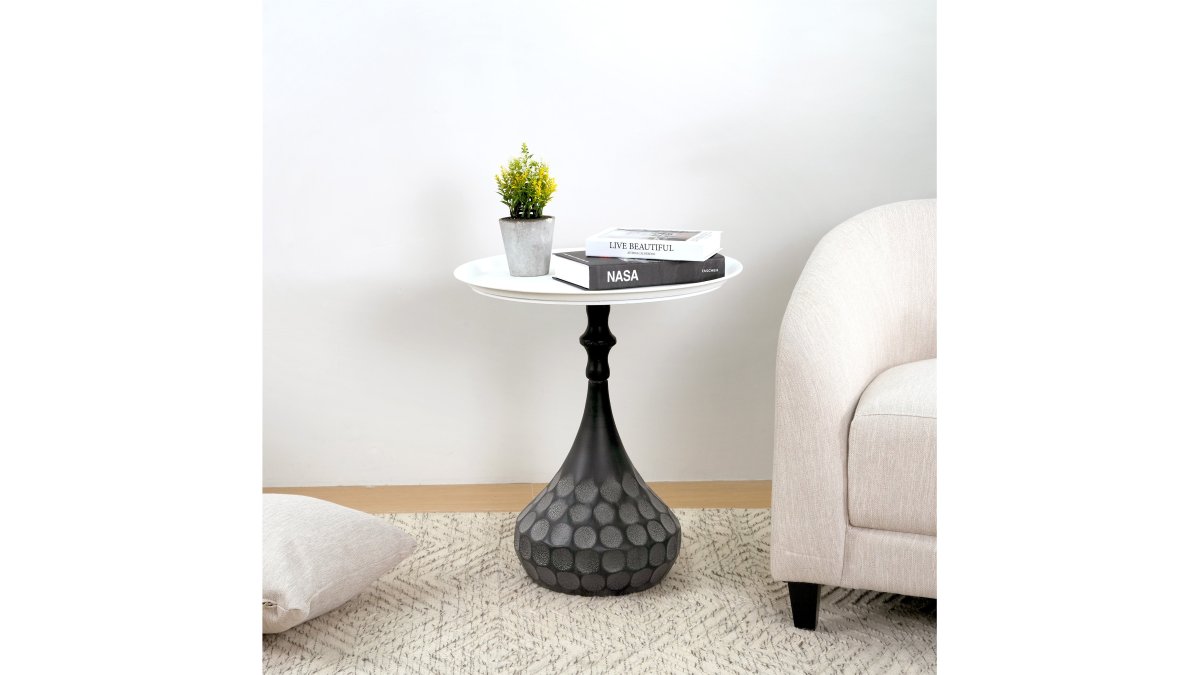
Station Home Design's approach to curation emphasizes this restraint. Our pieces, from canvas wall art to accent tables to area rugs, are selected to work within cohesive color stories. The Rocks, Sea, and Sky canvas wall art uses blues and yellows that pair beautifully with natural wood and neutral textiles. Similarly, our wall decor with gold accents works as a statement piece without competing with other elements.

Think vertically and horizontally. Consider how items relate to your walls and ceiling. Wall art, shelving, and architectural elements create visual interest above eye level.
Group items in odd numbers. Three vases look more intentional than two or four. Leave breathing room, empty space is part of the design. A wall with one stunning piece of art and 15 square feet of empty wall feels intentional.
Sustainable and Ethical Decor Sourcing
Increasingly, people want to know where their decor comes from and what impact it has. Quality curated home decor sites now highlight their sourcing practices. Do they work with artisans directly? Are materials sustainably harvested? Are workers paid fairly?
Look for certifications. Fair Trade certification, FSC (Forest Stewardship Council) certification for wood products, and GOTS (Global Organic Textile Standard) for fabrics are meaningful markers indicating third-party verification (fsc.org).
Some shops specialize in upcycled or reclaimed materials. Vintage decor inherently has a lower environmental impact than new production, the item already exists, so you're giving it a second life.
Consider durability as part of sustainability. A well-made piece you'll own for twenty years has less environmental impact than a cheap item you'll replace in two years. Curated shops typically prioritize quality and longevity, which aligns with sustainability values.
Transparency about supply chains matters. Shops that openly discuss their suppliers, manufacturing processes, and environmental practices demonstrate commitment. Vague marketing about being "eco-friendly" without specifics is greenwashing.
Curated vs. Mass-Produced: Understanding the Pricing Model
The pricing difference between curated and mass-produced decor often confuses shoppers. Why does a similar-looking throw pillow cost more at a curated shop than on a mass-market platform?
Curated shops typically work with smaller production runs, meaning higher per-unit costs but also less likelihood of seeing identical items in multiple homes. Mass-produced items benefit from economies of scale.
Curated shops also invest in design and curation labor. Someone is selecting pieces, styling them, writing descriptions, and deciding what goes into a collection. This human judgment has value.
Material quality often differs too. Curated shops frequently source better fabrics, more durable construction, and higher-grade materials. These differences don't always show in photos, but they show up in longevity and how items feel in your space.
There's also the question of exclusivity. Buying from a curated shop means your space reflects more intentional choices. This doesn't mean curated is always better, it depends on your priorities and budget.
Vintage Finds vs. Modern Classics
The choice between vintage and modern pieces shapes the entire aesthetic of a curated home. Both have distinct advantages, and most successful spaces blend them.
Vintage pieces bring character, history, and uniqueness. Each vintage item has a story. Vintage also tends to be more sustainable since you're not creating new demand for manufacturing. The downside? Condition varies, availability is unpredictable, and finding pieces in your specific aesthetic can take time.
Modern classics offer consistency and reliability. You know exactly what you're getting. Modern pieces typically come with warranties and return policies. The tradeoff is that modern pieces are more available, so many people own similar items.
The smartest approach combines both. Use modern pieces for functional items where consistency matters, a quality sofa, a durable dining table, lighting fixtures. Use vintage pieces for accent items where uniqueness adds character, wall art, smaller furniture items, decorative objects.
Station Home Design's curated collections often reflect this philosophy. Our canvas wall art and accent pieces work beautifully with both vintage and modern furniture. The Accent Metal Coffee Table, with its hand-hammered texture and unique base, bridges vintage character and modern craftsmanship. Similarly, our Blayze vase set brings sculptural interest that complements both eras.

When shopping for vintage, authentication and condition matter enormously. When shopping for modern, consider how well pieces will age.
Supporting Small and Independent Retailers
Choosing to shop at small and independent retailers has ripple effects beyond your home. You're supporting makers, designers, and small business owners who've invested in their craft.
Independent retailers often have more flexibility and personality than large chains. They can take risks on unusual pieces, support emerging designers, and build community around their curation. They're also more likely to know their products intimately and offer genuine expertise.
Shopping small often means better customer service. Owners and staff actually care about whether you love what you buy. They'll take time to answer questions, offer styling advice, and remember you as a customer.
Independent shops also tend to have stronger environmental and ethical practices. They can't hide behind corporate policies; their reputation depends on their values. Many independent retailers now operate online, making it easier to support them regardless of geography.
Choosing where to shop for home decor is ultimately about aligning your purchases with your values and aesthetic vision. Whether you're drawn to vintage finds, modern classics, sustainable sourcing, or supporting independent makers, the best curated home decor sites share a commitment to intentionality.
At Station Home Design, we've built our collection around this principle. Every piece, from our canvas wall art to our hand-hammered Accent Metal Coffee Table to our sculptural vases, is selected to help you create spaces that reflect your personality. We believe home decor should elevate your daily life, not complicate it. Start exploring pieces that speak to your aesthetic, and watch how intentional choices transform your space into something genuinely yours.
Frequently Asked Questions
How do I know if a curated home decor site is legitimate?
Legitimate curated home decor sites display clear product photography from multiple angles, provide detailed material descriptions, include customer reviews with photos, offer transparent return policies, and show real shipping timelines. Check for authentic business information, secure payment processing, and responsive customer service. Sites like Station Home Design showcase handcrafted or artisan-sourced pieces with verifiable sourcing details.
What should I look for when reading home decor site reviews?
Focus on reviews that mention specific details: color accuracy compared to photos, material quality, shipping condition upon arrival, and whether pieces matched expectations. Look for patterns, if multiple reviewers mention the same issue, that's a red flag. Check review dates to ensure they're recent. Legitimate sites encourage honest feedback, including critiques. Pay attention to how the retailer responds to negative reviews; professional, solution-focused responses indicate good customer service and accountability.
Are curated home decor sites worth the price premium?
Curated sites often cost more because they focus on quality, uniqueness, and curation rather than volume. You're paying for hand-selected pieces, better materials, artisan craftsmanship, and thoughtful design. Many customers find the premium justified because items last longer, look better in person, and create cohesive spaces faster than assembling pieces from multiple retailers. Station Home Design's curated selection, for example, ranges from $69.99 canvas art to $249.98 sculptural pieces, prices reflect the quality and uniqueness of each item.
How do I verify authenticity for vintage items before buying online?
Request detailed photos of wear patterns, maker's marks, and construction details. Ask the retailer about provenance, where the piece came from and how long they've carried it. Reputable curated shops provide certificates of authenticity for high-value vintage pieces and clearly disclose any restoration work. Compare the item against authenticated examples in design databases. Check if the retailer offers return windows specifically for authenticity concerns, and avoid sites that use stock photos instead of actual product photography.
What's the difference between shopping curated boutiques versus mass-produced retailers?
Curated boutiques hand-pick each piece for quality, aesthetics, and uniqueness, often featuring artisan or vintage items with limited inventory. Mass-produced retailers stock high volumes of identical items designed for trend-chasing. Curated shops typically offer better craftsmanship, longer-lasting pieces, and stronger design cohesion. They're ideal if you want one-of-a-kind statement pieces that reflect your personality. Mass-produced options work better for quick, budget-friendly updates. Station Home Design bridges both worlds, offering handcrafted canvas art and sculptural pieces alongside thoughtfully selected home furnishings.
This article was written using GrandRanker
Frequently Asked Questions
How do I know if a curated home decor site is legitimate?
Legitimate curated home decor sites display clear product photography from multiple angles, provide detailed material descriptions, include customer reviews with photos, offer transparent return policies, and show real shipping timelines. Check for authentic business information, secure payment processing, and responsive customer service. Sites like Station Home Design showcase handcrafted or artisan-sourced pieces with verifiable sourcing details.
What should I look for when reading home decor site reviews?
Focus on reviews that mention specific details: color accuracy compared to photos, material quality, shipping condition upon arrival, and whether pieces matched expectations. Look for patterns—if multiple reviewers mention the same issue, that's a red flag. Check review dates to ensure they're recent. Legitimate sites encourage honest feedback, including critiques. Pay attention to how the retailer responds to negative reviews; professional, solution-focused responses indicate good customer service and accountability.
Are curated home decor sites worth the price premium?
Curated sites often cost more because they focus on quality, uniqueness, and curation rather than volume. You're paying for hand-selected pieces, better materials, artisan craftsmanship, and thoughtful design. Many customers find the premium justified because items last longer, look better in person, and create cohesive spaces faster than assembling pieces from multiple retailers. Station Home Design's curated selection, for example, ranges from $69.99 canvas art to $249.98 sculptural pieces—prices reflect the quality and uniqueness of each item.
How do I verify authenticity for vintage items before buying online?
Request detailed photos of wear patterns, maker's marks, and construction details. Ask the retailer about provenance—where the piece came from and how long they've carried it. Reputable curated shops provide certificates of authenticity for high-value vintage pieces and clearly disclose any restoration work. Compare the item against authenticated examples in design databases. Check if the retailer offers return windows specifically for authenticity concerns, and avoid sites that use stock photos instead of actual product photography.
What's the difference between shopping curated boutiques versus mass-produced retailers?
Curated boutiques hand-pick each piece for quality, aesthetics, and uniqueness, often featuring artisan or vintage items with limited inventory. Mass-produced retailers stock high volumes of identical items designed for trend-chasing. Curated shops typically offer better craftsmanship, longer-lasting pieces, and stronger design cohesion. They're ideal if you want one-of-a-kind statement pieces that reflect your personality. Mass-produced options work better for quick, budget-friendly updates. Station Home Design bridges both worlds—offering handcrafted canvas art and sculptural pieces alongside thoughtfully selected home furnishings.